

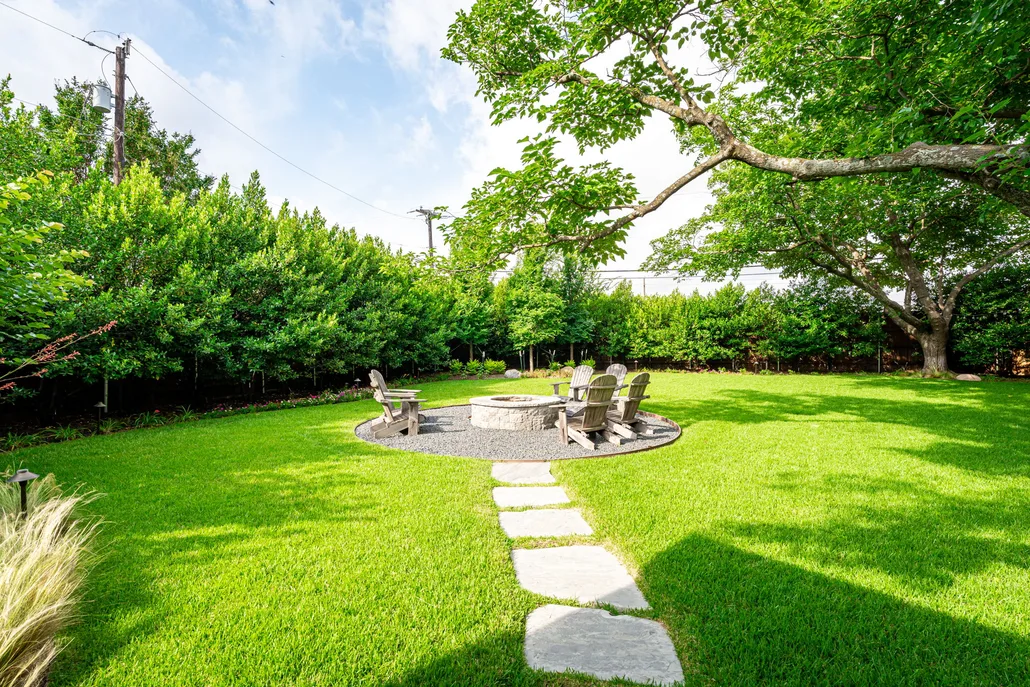
Dallas homeowners often face a unique challenge beneath their lawns and gardens: Blackland Prairie soil. This heavy, clay-rich soil defines much of North Texas. While it’s fertile in nutrients, it expands when wet and contracts when dry. That constant movement cracks patios, shifts retaining walls, and suffocates plant roots. It also slows down drainage, which leaves standing water in yards after storms.
At Stewart Lawncare & Landscape, we’ve spent years designing landscapes in Dallas and the surrounding areas that account for this difficult soil. By blending smarter base preparation, root system planning, and drainage strategies, we create outdoor spaces that stay beautiful and functional even in tough Texas conditions. Let’s break down the problems Blackland Prairie soil causes and the solutions that actually work.
Why Blackland Prairie Soil Creates Unique Landscaping Issues
Blackland Prairie soil is mostly expansive clay. Unlike sandy or loamy soils, clay particles pack tightly together and don’t let water drain easily. When it rains, clay swells and puts pressure on hardscape surfaces like patios or walkways. During droughts, it contracts, leaving cracks and gaps.
This natural cycle creates problems for:
- Patios and stonework that lose their level surface.
- Trees and shrubs that struggle with root rot from poor drainage.
- Grass that browns out quickly during dry spells.
- Drainage systems that back up instead of moving water away.
Designing landscapes in Dallas requires more than picking pretty plants, it means engineering spaces that hold up against soil movement and water challenges.
Smarter Base Preparation for Patios and Hardscapes
A common mistake in Dallas landscaping is installing patios, walkways, or retaining walls on a base that’s too thin. On clay soil, this guarantees uneven settling.
Our approach includes:
- Deep base excavation: Removing enough clay to replace it with a stable foundation.
- Gravel layering: Using crushed stone for proper compaction and drainage.
- Geotextile fabrics: Preventing soil mixing and providing long-term stability.
This kind of base preparation ensures patios and driveways resist shifting, even as the clay beneath them expands and contracts. It’s one of the most important investments in a long-lasting landscape.
Root Planning That Works with Dallas Soil
Many homeowners are surprised when plants that look great in the nursery fail in their yard. The culprit? Shallow roots and poor drainage.
When we design Dallas landscapes, we:
- Choose deep-rooting plants that tolerate clay conditions.
- Use soil amendments like compost and sand to loosen heavy areas.
- Install raised beds for flowers, shrubs, and vegetables to protect against standing water.
Native plants such as cedar elm, red yucca, and blackfoot daisy thrive here because their root systems adapt to the swelling and drying cycles of Blackland Prairie soil. Matching plant choice with soil conditions prevents wasted money on replacements.
Drainage Strategies for Clay-Rich Yards
Drainage is the biggest battle in Dallas landscaping. Without a plan, water collects after storms and creates muddy, unusable yards. Worse, it can flow toward the home, causing foundation issues.
Effective solutions include:
- French drains with proper depth and filter fabric.
- Channel drains along patios and driveways.
- Grading adjustments to slope water away from the home.
- Dry creek beds for both function and aesthetics.
When engineered correctly, these systems don’t just hide water, they move it where it belongs. Drainage-first design is the key to keeping clay soil landscapes healthy.
Building Resilient Dallas Landscapes with Integrated Design
The best landscapes in Dallas are built with integration in mind: base preparation, plant root health, and drainage all working together. One without the other isn’t enough.
That’s why every project we take on, whether it’s a new patio, garden installation, or backyard remodel, includes soil evaluation and customized solutions. We don’t design landscapes despite Dallas’s Blackland Prairie soil; we design landscapes that succeed because we account for it.
Common Landscaping Problems We Solve in Dallas
- Patio or walkway cracking from shifting soil.
- Standing water in low areas after heavy rain.
- Grass that turns patchy or dies due to poor soil structure.
- Plants and shrubs are suffering from root rot.
- Retaining walls that lean or collapse from soil expansion.
FAQs About Dallas Landscaping Design & Blackland Prairie Soil
Q1: Why is Blackland Prairie soil such a challenge for landscaping?
A1: Its high clay content expands when wet and contracts when dry, damaging plants and hardscape.
Q2: What types of plants work best in Dallas’s clay soil?
A2: Native and deep-rooting plants like cedar elm, red yucca, and blackfoot daisy adapt well.
Q3: How can patios stay level on clay soil?
A3: With deep excavation, gravel layering, and geotextile fabrics that provide a stable base.
Q4: What drainage options work for Dallas homes?
A4: French drains, channel drains, grading, and dry creek beds designed for heavy clay soils.
Q5: Can landscape renovation fix long-term soil problems?
A5: Yes, an integrated design that combines drainage, root planning, and hardscape engineering can.
Ready to solve Blackland Prairie soil challenges with a custom landscape design? Call Stewart Lawncare & Landscape at 972‑429‑1921 today.