

Landscape Water Features in Garland, TX
Stewart Lawncare & Landscape designs and installs custom water features throughout Garland, TX, including fountains, ponds, waterfalls, streams, and decorative water elements that enhance outdoor living spaces. Our water feature services address the specific requirements of North Texas landscapes including proper drainage integration, electrical system coordination, pump and filtration sizing, and construction techniques that withstand clay soil movement. Each water feature project begins with a site evaluation to assess grade, drainage patterns, electrical access, and visual integration with existing landscaping. We design systems that balance aesthetic goals with practical considerations including water circulation, maintenance access, seasonal operation, and long-term reliability. Our installation teams construct water features using professional-grade materials, proper waterproofing methods, and filtration systems that maintain water clarity and quality. From simple bubbling urns to elaborate pond and waterfall combinations, we create water features that provide visual interest, soothing sound, and functional focal points for Garland landscapes.
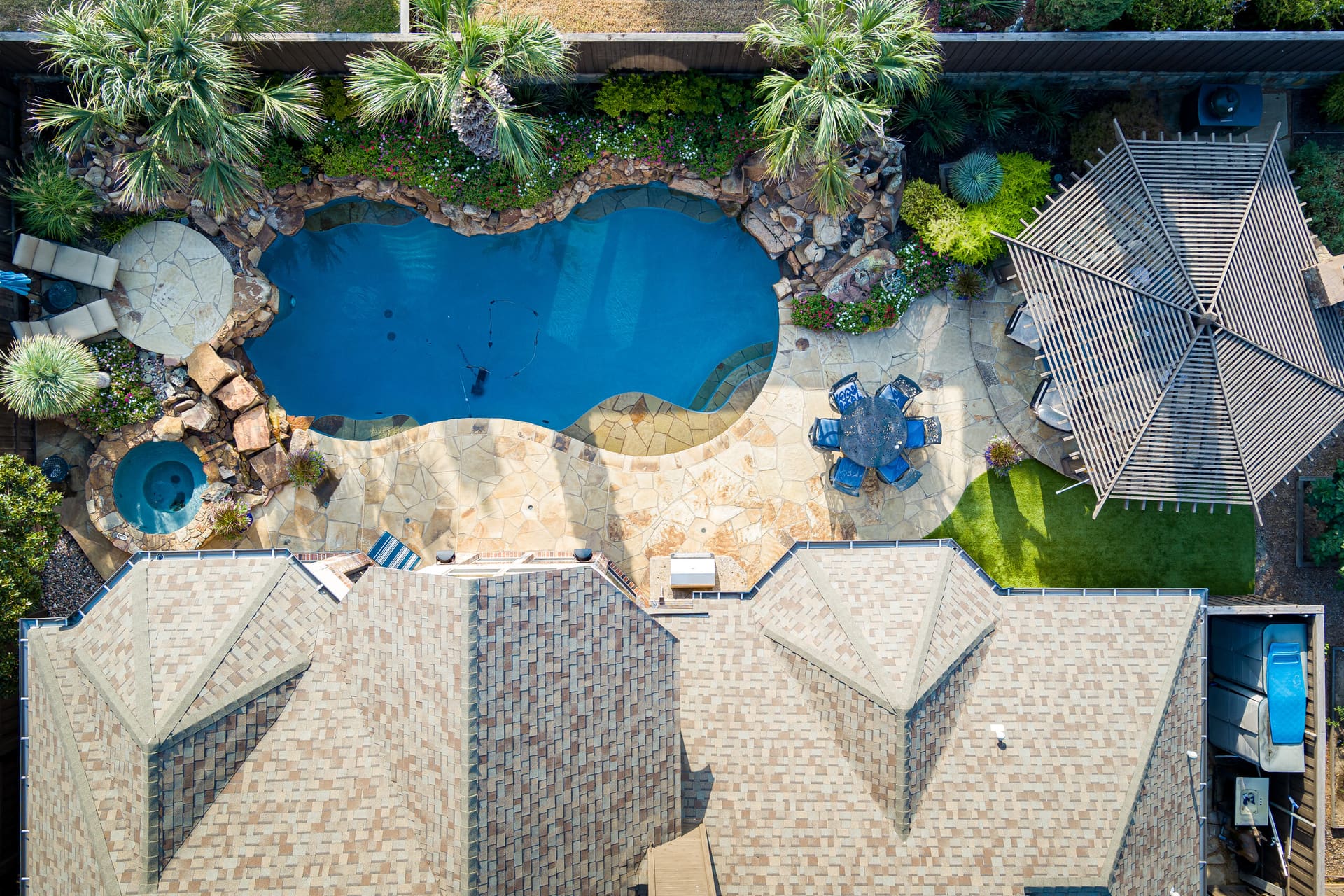
Stewart Lawncare & Landscape creates custom water features for Garland, TX properties, including fountains, ponds, waterfalls, and streams with complete design, installation, pump systems, filtration, and ongoing maintenance services. Our features integrate with existing landscapes while addressing drainage, electrical requirements, and North Texas conditions. Call 972-429-1921 to discuss water feature options and schedule your consultation.
What Our Water Feature Service Includes
Our water feature service provides complete design, installation, and support for all types of landscape water elements. Design services include site evaluation, concept development, sizing calculations for pumps and filtration, material selection, and integration planning with existing landscape elements. Installation encompasses excavation and site preparation, liner installation with proper waterproofing, rock and stone placement, pump and filtration system setup, electrical wiring coordination, plumbing connections, and water circulation testing. Fountain installations range from simple bubbling rocks to elaborate tiered designs with multiple water streams. Pond construction includes proper depth specification, filtration systems for water clarity, aquatic plant zones, and fish habitat considerations. Waterfall designs incorporate natural stone placement, water flow patterns, and sound optimization. Stream features create meandering water courses with strategic rock placement and multiple cascade points. Equipment specification covers pumps sized for flow rates, filtration appropriate for water volume, lighting systems for nighttime display, and automatic fill valves maintaining water levels. Maintenance services include seasonal startup and shutdown, pump servicing, filter cleaning, water quality management, and winter preparation.
Water Feature Service Components:
- Complete design and site planning
- Excavation and preparation work
- Liner installation and waterproofing
- Natural stone selection and placement
- Pump and filtration system installation
- Electrical coordination and wiring
- Water circulation optimization
- Aquatic plant integration
- Lighting system installation
- Ongoing maintenance and support
Water Feature Design and Site Integration
Water feature design for Garland properties requires careful site analysis and integration planning to ensure long-term performance and visual harmony. Site evaluation identifies optimal placement considering visibility from main viewing areas, proximity to outdoor living spaces, existing drainage patterns, electrical access points, and integration with current landscaping. Scale proportions match water feature size to property dimensions and surrounding landscape elements, avoiding features too large to overwhelm the space or too small to lack visual impact. Sound considerations position water features where falling water creates a desired ambiance without becoming noise pollution for indoor spaces or neighboring properties. Drainage integration coordinates water features with existing landscape drainage, using them as functional elements that receive and manage stormwater while providing aesthetic value. Elevation changes receive assessment for natural waterfall placement or excavation requirements for level pond installations. Sunlight exposure affects algae growth patterns and aquatic plant selection, with partial shade often providing optimal conditions. Utility location prevents conflicts with underground lines during excavation. Clay soil characteristics require specific liner protection and backfill strategies preventing sharp edges from puncturing waterproof barriers. These design considerations create water features that appear naturally integrated rather than added afterthoughts.
Design Planning Elements:
- Optimal placement for visibility and enjoyment
- Proportional sizing for property scale
- Sound management and acoustic planning
- Integration with existing drainage systems
- Elevation and grade assessment
- Sunlight exposure evaluation
- Utility conflict avoidance
- Clay soil accommodation strategies
- Visual harmony with landscape style
- Functional and aesthetic balance
Fountain Installation and Varieties
Fountain installations provide water feature benefits with relatively simple construction and maintenance requirements compared to ponds or large waterfalls. Bubbling rock fountains use drilled natural stone with water emerging from the top, circulating through hidden reservoir basins filled with gravel. Urn and vessel fountains feature ceramic, stone, or metal containers with water overflowing edges or emerging from spouts. Tiered fountains create classic formal appearances with water cascading between multiple levels. Wall fountains attach to existing structures or freestanding walls, adding water elements to small spaces. Disappearing fountains use underground reservoirs with decorative surface elements and no standing water, providing safety for properties with young children. Column fountains feature vertical elements with water sheeting down surfaces or emerging from the tops. Each fountain type requires proper pump sizing to achieve the desired water flow and visual effect. Electrical requirements vary from low-voltage systems for small fountains to standard 120-volt circuits for larger installations. Reservoir sizing provides adequate water volume preventing constant refilling while staying proportional to the fountain scale. Winter shutdown procedures protect pumps and plumbing from freeze damage during Garland’s occasional hard freezes.
Fountain Types and Features:
- Bubbling rock with hidden reservoirs
- Urn and vessel overflow designs
- Multi-tiered cascading fountains
- Wall-mounted space-saving options
- Disappearing fountains for child safety
- Column and architectural elements
- Custom designs matching property style
- Proper pump sizing for flow rates
- Underground reservoir construction
- Electrical system coordination
Pond Construction and Ecosystem Balance
Pond construction involves complex considerations balancing water quality, aquatic life support, and aesthetic goals. Excavation depth varies by purpose, with shallow edges for marginal plants, mid-depth zones for submerged vegetation, and deep areas providing fish overwintering habitat and temperature stability. Liner selection includes EPDM rubber for flexibility and puncture resistance, preformed rigid shells for simple installations, or concrete construction for permanent structures. Filtration systems remove debris and support beneficial bacteria colonies breaking down fish waste and organic matter. Biological filters use media providing surface area for bacterial colonization. Mechanical filters capture particles before they decompose. Skimmers remove surface debris before it sinks and decomposes. Pumps circulate water through filtration and create waterfalls or streams, with sizing based on pond volume and desired turnover rate. Aquatic plants provide natural filtration, oxygen production, and habitat while controlling algae through nutrient competition. Fish selection considers Garland’s climate, with koi and goldfish thriving in properly constructed ponds. Water quality management includes testing for pH, ammonia, and nitrite levels, with adjustments to maintain healthy parameters. Clay soil requires protective underlayment to prevent sharp objects from damaging liners during soil movement.
Pond Construction Elements:
- Multi-depth excavation for varied functions
- Proper liner selection and installation
- Biological and mechanical filtration
- Surface skimmer integration
- Circulation pump sizing and placement
- Aquatic plant zones and selection
- Fish habitat and overwintering depth
- Water quality monitoring systems
- Clay soil liner protection
- Maintenance access planning
Waterfall and Stream Construction Techniques
Waterfall and stream construction creates natural-appearing water movement through strategic stone placement and water flow management. Stream bed preparation includes proper liner installation, underlayment protection, and grading for gentle water movement punctuated by cascade points. Rock selection uses varied sizes from large boulders creating structure to smaller stones filling gaps and directing flow. Waterfalls require sturdy stone stacking creating stable vertical drops with water sheets, streams, or curtains depending on spillway design. Water flow patterns receive testing during construction, adjusting stone positions optimizing visual effect and sound. Pump sizing calculates required flow rates based on stream length, waterfall height, and desired water movement intensity. Plumbing routes water from a reservoir to a stream head using flexible or rigid pipe hidden beneath rock and soil. Multiple cascade points create varied sound and visual interest compared to single drops. Edge treatment blends water feature boundaries into the surrounding landscape using plantings, smaller stones, and natural transitions. Biological filtration integration within stream beds uses gravel and rocks providing surface area for beneficial bacteria. Clay soil beneath liners receives protective layers preventing punctures from soil movement or sharp objects working through the substrate.
Waterfall and Stream Features:
- Natural stone selection and placement
- Varied cascade points for interest
- Strategic spillway design for effect
- Proper liner and underlayment protection
- Pump sizing for desired flow rates
- Hidden plumbing and equipment
- Edge blending with landscape
- Sound optimization through design
- Biological filtration integration
- Clay soil protection strategies
Pump Systems, Filtration, and Water Quality
Pump and filtration systems form the mechanical foundation supporting water feature operation and maintenance. Pump selection considers total dynamic head including vertical lift and horizontal distance, flow rate requirements for desired water movement, and energy efficiency for ongoing operating costs. Submersible pumps sit underwater in ponds or reservoirs, while external pumps are located in dry vaults or equipment areas. Pre-filters protect pumps from large debris extending component life. Biological filtration uses media supporting beneficial bacteria colonies converting harmful ammonia and nitrites into less toxic nitrates. Mechanical filtration captures suspended particles through foam pads, filter mats, or bead filters. UV clarifiers kill algae spores and harmful bacteria passing through sterilization chambers. Skimmers remove surface debris including leaves, pollen, and floating organics before decomposition. Automatic fill valves maintain water levels compensating for evaporation without manual attention. Water treatments include beneficial bacteria supplements, algae controls, and pH adjusters maintaining balanced chemistry. Regular maintenance includes filter cleaning, pump inspection, and water testing ensuring optimal conditions. Proper system design minimizes maintenance requirements while supporting clear, healthy water quality year-round.
System Components:
- Pump sizing for flow and lift requirements
- Pre-filtration protecting equipment
- Biological filter media and chambers
- Mechanical filtration for particle removal
- UV clarification for algae control
- Surface skimmer installations
- Automatic water level management
- Beneficial bacteria treatments
- Water chemistry testing and adjustment
- Energy-efficient equipment selection
Seasonal Operation and Winterization
Water features in Garland require seasonal adjustments and winter preparation for year-round enjoyment and equipment protection. Spring startup includes cleaning debris accumulated during dormancy, inspecting equipment for winter damage, reconnecting pumps and filters, refilling and treating water, and restarting circulation systems. Summer operation focuses on evaporation management through automatic fill systems, algae control in high temperatures, and maintaining adequate oxygen levels for fish during heat. Fall preparation reduces feeding for fish as metabolism slows, removes falling leaves before they sink and decompose, and monitors water temperature for seasonal adjustments. Winter shutdown protects equipment from freeze damage during Garland’s occasional hard freezes. Small fountains receive complete drainage with pumps removed and stored. Ponds may continue running if deep enough to prevent complete freezing or shut down with de-icers maintaining small openings for gas exchange supporting fish. Filters receive cleaning and storage or remain operational depending on system design and winter goals. Plumbing drains prevent ice damage to pipes and fittings. Equipment inspection before storage identifies needed repairs completed during the off-season. These seasonal practices extend the water feature’s lifespan and ensure reliable operation through changing conditions.
Seasonal Service Tasks:
- Spring cleaning and startup procedures
- Equipment inspection after winter
- Summer evaporation management
- Algae and oxygen level monitoring
- Fall debris removal and preparation
- Winter drainage and equipment protection
- De-icer installation for fish ponds
- Plumbing winterization procedures
- Off-season equipment maintenance
- Seasonal treatment and chemistry adjustments
Water Feature Problems We Solve for Garland Property Owners
Garland homeowners face specific water feature challenges requiring professional design, installation, and maintenance expertise. Our services address these common problems.
Water Feature Problems We Solve:
- Murky or green water from inadequate filtration, insufficient circulation, or algae blooms in stagnant conditions
- Frequent water level loss from leaks in liners, plumbing connections, or excessive evaporation without automatic refill systems
- Pump failures and breakdowns from improper sizing, debris damage, or lack of pre-filtration protection
- Waterfall drying or uneven flow: caused by insufficient pump capacity, clogged intake screens, or poor stone placement
- Winter freeze damage to pumps, pipes, and fixtures from incomplete drainage or inadequate protection procedures
- Clay soil liner punctures from sharp objects working through the substrate during soil expansion and contraction cycles
- Mosquito breeding in still water from inadequate circulation, missing water movement, or standing reservoir areas
- Fish health problems including oxygen deficiency, pH imbalance, or toxic ammonia and nitrite accumulation
- Excessive maintenance requirements from poorly designed systems lacking adequate filtration or circulation capacity
- Electrical hazards near water from improper wiring, missing GFCI protection, or exposed connections in wet environments
FAQs About Water Features in Garland, TX
What water feature types work best for Garland landscapes?
Fountains provide low-maintenance water features suitable for most properties. Ponds with proper filtration support fish and aquatic plants. Waterfalls create dramatic focal points with soothing sound. Disappearing fountains offer water benefits without standing pools. Selection depends on space availability, maintenance commitment, and aesthetic goals. Climate considerations include winter shutdown requirements and summer evaporation management for all types.
How much maintenance do water features require?
Maintenance varies by type and size. Simple fountains need weekly water level checks and monthly cleaning. Ponds require regular filter maintenance, water testing, and seasonal fish care. Most features need spring startup, summer monitoring, fall preparation, and winter shutdown. Automated systems reduce manual intervention. Professional maintenance programs handle all seasonal tasks and equipment servicing for hands-off operation.
Can water features operate year-round in Garland?
Small fountains typically shut down during winter freeze risk periods. Deep ponds can operate year-round with de-icers maintaining openings for fish survival. Shallow features require complete drainage protecting equipment from ice damage. Most homeowners run features spring through fall, shutting down during coldest months. Seasonal operation prevents freeze damage while providing enjoyment during primary outdoor living months.
What causes green or murky pond water?
Algae growth from excess nutrients, inadequate filtration, or insufficient beneficial bacteria causes green water. Suspended particles from inadequate mechanical filtration create cloudiness. Solutions include proper filtration systems, UV clarifiers killing algae spores, beneficial bacteria treatments, aquatic plants competing for nutrients, and appropriate fish stocking levels. Regular maintenance and water testing prevent most clarity problems.
How do you prevent water feature leaks on clay soil?
Proper liner installation includes protective underlayment preventing punctures from sharp objects. Clay soil movement requires flexible liners accommodating expansion and contraction. Adequate edge overlap prevents water escape at perimeters. Quality materials resist degradation and punctures. Regular inspections identify small leaks before major water loss. Proper construction techniques account for soil characteristics preventing common failure points.
What electrical requirements do water features need?
Most features require dedicated GFCI-protected circuits for safety near water. Small fountains may use low-voltage systems. Pumps specify voltage and amperage requirements. Outdoor-rated wiring and waterproof connections prevent hazards. Professional electrical coordination ensures code compliance. Lighting adds separate circuits or integrates with pump power. All installations follow National Electrical Code and local requirements for wet locations.
How do you size pumps for waterfalls and fountains?
Pump sizing calculates flow rate needed for desired effect and total dynamic head including vertical lift and friction losses. Waterfalls typically require 100 to 200 gallons per hour per inch of spillway width. Fountains specify flow rates based on design. Pond circulation aims for complete volume turnover every one to two hours. Professional sizing prevents inadequate flow or excessive energy consumption.
What fish can survive in Garland ponds?
Koi and goldfish thrive in properly constructed ponds with adequate depth for winter survival. Ponds need minimum 3-foot depth preventing complete freezing. Filtration and aeration support fish health. Feeding adjusts seasonally with metabolism changes. Predator protection includes netting or steep pond edges. Stocking density follows guidelines preventing overcrowding and water quality problems. Native fish require permits and specific habitat conditions.
How do water features integrate with landscape drainage?
Water features can receive stormwater runoff serving as functional drainage elements. Proper design includes overflow provisions preventing flooding during heavy rainfall. Drainage swales direct water to ponds or stream features. Clay soil requires drainage integration preventing saturation around water features. Systems coordinate preventing conflicts between landscape drainage and water feature circulation. Professional design optimizes both functions.
Do water features increase property value?
Well-designed, properly maintained water features enhance curb appeal and outdoor living enjoyment, potentially increasing property value. Professional installations using quality materials add more value than DIY projects. Features must match property scale and neighborhood character. Maintenance requirements affect buyer perception. Energy-efficient systems with automated features appeal to modern buyers. Overall landscape quality matters more than water features alone.
Professional Water Feature Design and Installation for Garland
Stewart Lawncare & Landscape has designed and installed water features across Garland, TX since 1993, including fountains, ponds, waterfalls, and streams with expertise in clay soil conditions, pump systems, and North Texas climate requirements. Our complete services cover design, installation, equipment, and ongoing maintenance. Call 972-429-1921 to discuss water feature options for your property.