

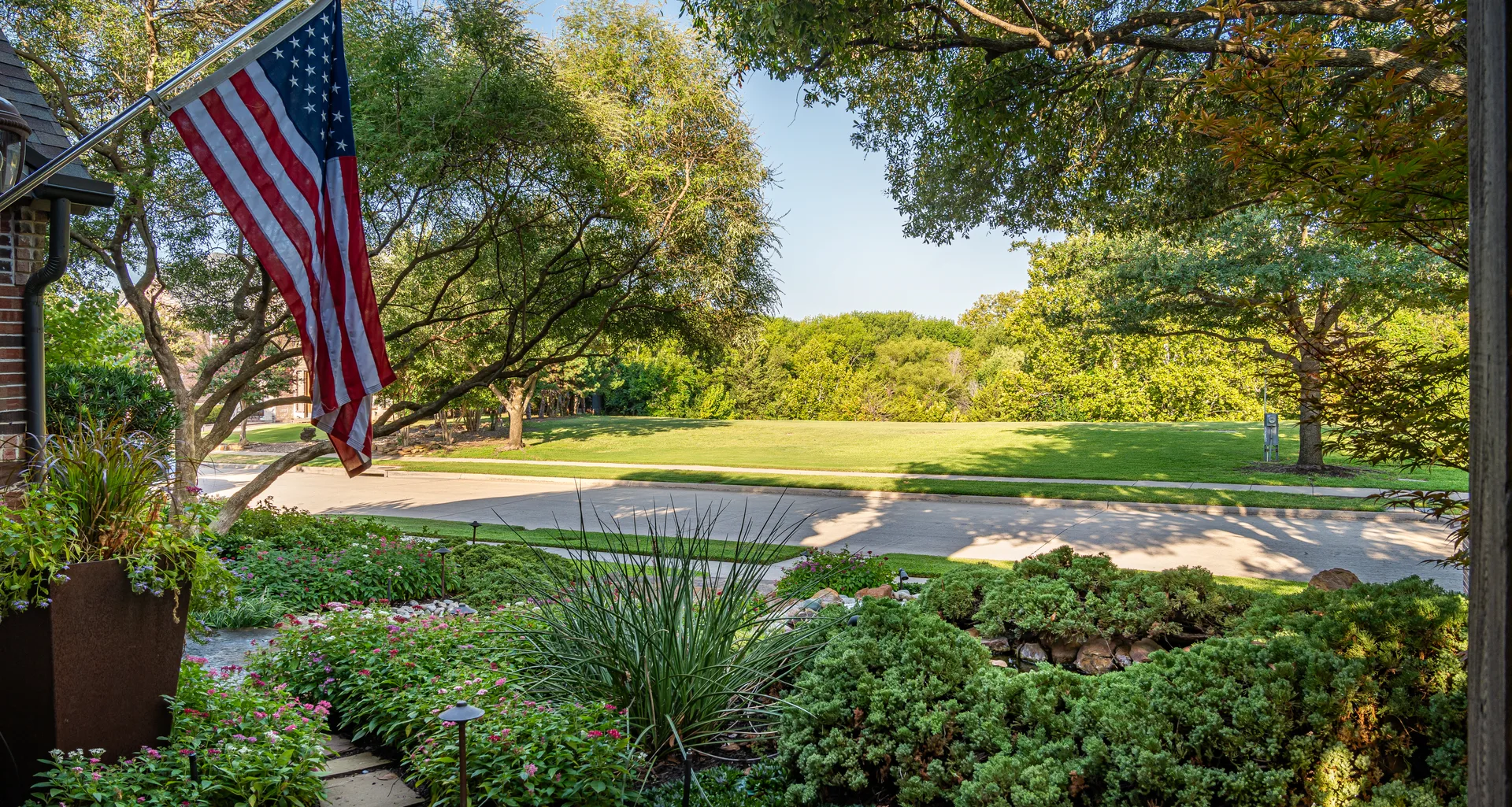
Lawn & Landscape Maintenance Services in Garland, TX
Stewart Lawncare & Landscape delivers comprehensive lawn and landscape maintenance services throughout Garland, TX, designed to preserve the investment you’ve made in your outdoor spaces. Our maintenance programs address the specific challenges North Texas properties face, including clay soil compaction, heat stress on turf and plants, irrigation efficiency monitoring, and seasonal care adjustments. Professional maintenance prevents the gradual decline that occurs when landscapes receive inconsistent or improper care. Our trained crews execute scheduled services including precision mowing, targeted pruning, irrigation system checks, fertilization applications, seasonal color rotation, and bed maintenance. Each service follows proven techniques for Garland’s climate and soil conditions, ensuring your landscape maintains its appearance, health, and functionality year-round. We tailor maintenance schedules to your property’s specific plant palette, irrigation setup, and seasonal requirements, providing the consistent care that keeps landscapes thriving through North Texas weather extremes.
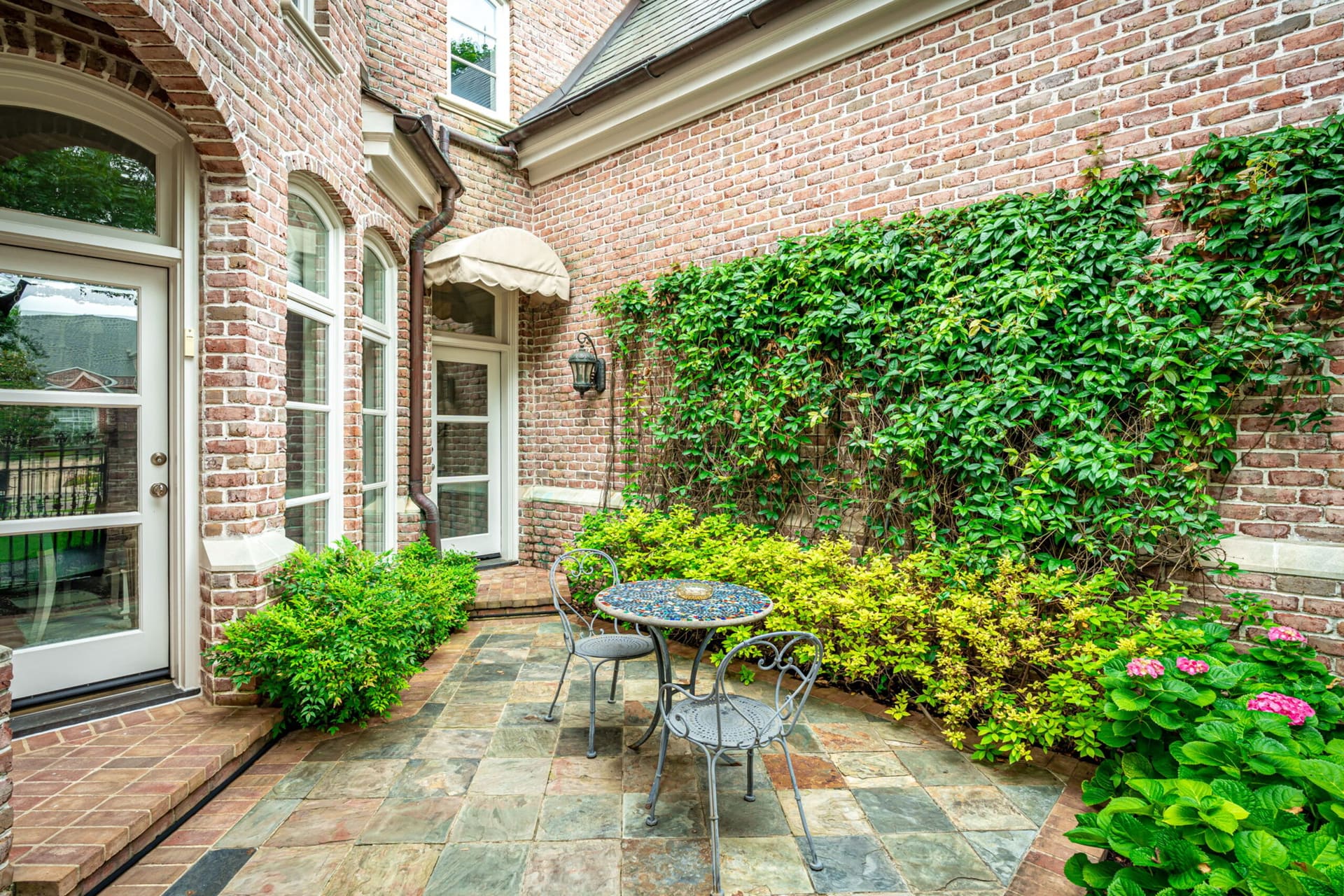
Stewart Lawncare & Landscape provides complete lawn and landscape maintenance programs for Garland, TX properties, including weekly mowing, seasonal pruning, irrigation monitoring, fertilization, and color rotation. Our services preserve landscape health and appearance through consistent professional care adapted to North Texas conditions. Call 972-429-1921 to discuss maintenance program options and receive a customized service schedule for your property.
What Our Lawn & Landscape Maintenance Service Includes
Our maintenance service encompasses all recurring care tasks required to keep Garland landscapes healthy, attractive, and functional throughout the year. Weekly mowing service includes precise cutting height adjustment for turf type and season, edging along all hardscape borders, and debris removal from paved surfaces. Trimming reaches areas inaccessible to mowers including fence lines, foundation plantings, and around landscape features. Pruning services address shrubs, perennials, and small ornamental trees according to species-specific timing and techniques. Irrigation system monitoring identifies coverage gaps, broken heads, controller malfunctions, and seasonal adjustment needs. Bed maintenance removes weeds, replenishes mulch as needed, and monitors plant health for disease or pest issues. Seasonal color rotation removes spent annuals and installs fresh plantings timed to bloom cycles. Fertilization applications deliver nutrients matched to soil test results and plant requirements. Debris cleanup includes leaf removal, storm damage clearing, and general property tidying. Each service visit includes a visual inspection for emerging problems, allowing early intervention before minor issues become costly repairs.
Maintenance Service Components:
- Weekly precision mowing and edging
- String trimming of fence lines and tight areas
- Seasonal shrub and perennial pruning
- Irrigation system monitoring and adjustment
- Weed control in planting beds
- Mulch replenishment and bed grooming
- Seasonal color removal and installation
- Fertilization and soil amendment applications
- Leaf and debris removal
- Problem identification and reporting
Year-Round Maintenance Programs for Garland Properties
Annual maintenance programs provide scheduled care adjusted to seasonal requirements and Garland’s distinct growing patterns. Spring programs emphasize lawn recovery from winter dormancy through fertilization, pre-emergent weed control, irrigation system activation, and pruning of spring-blooming shrubs after flowering. Summer maintenance focuses on heat stress management with proper mowing heights, irrigation efficiency monitoring, and supplemental watering for vulnerable plants. Fall services prepare landscapes for winter through aeration, overseeding, fertilization for root development, and planting of cool-season color. Winter programs include dormant pruning, irrigation winterization, cold protection for tender plants, and cleanup of storm debris. Program schedules adapt to weather conditions rather than rigid calendar dates, ensuring services occur when plants benefit most. Maintenance contracts specify service frequency, seasonal tasks, and add-on options for flexibility. Monthly reporting documents completed services, observed issues, and recommendations for improvements or repairs. This systematic approach maintains landscape health through consistent professional attention timed to North Texas growing conditions.
Seasonal Program Elements:
- Spring lawn recovery and activation services
- Summer heat stress management protocols
- Fall preparation and establishment programs
- Winter dormant care and protection measures
- Weather-responsive scheduling adjustments
- Monthly service reporting and documentation
- Seasonal task checklists and completion tracking
- Optional add-on services for special needs
Professional Turf Care and Mowing Services
Turf maintenance forms the foundation of landscape appearance and requires precise execution for healthy growth and attractive appearance. Mowing height adjustments follow seasonal requirements, keeping grass taller during summer heat stress and shorter during active spring growth. Bermuda grass, the dominant turf type in Garland, receives cutting schedules that prevent scalping during rapid growth while maintaining a neat appearance. St. Augustine turf in shaded areas gets adjusted mowing patterns to accommodate slower growth and shade tolerance needs. Blade sharpness receives regular attention to ensure clean cuts that heal quickly rather than tearing grass blades. Mowing patterns alternate to prevent soil compaction and wear patterns from repeated traffic in the same direction. Clipping management includes mulching during normal growth and bagging during excessive growth periods to prevent thatch buildup. Edging defines borders between turf and hardscape, beds, and fence lines for crisp visual definition. Our crews recognize turf health issues including disease symptoms, insect damage, and irrigation problems during routine mowing, enabling early intervention.
Turf Care Standards:
- Seasonal mowing height adjustments for turf health
- Sharp blade maintenance for clean cuts
- Alternating mowing patterns to reduce compaction
- Professional edging for defined borders
- Clipping management based on growth rates
- Turf type-specific care protocols
- Problem identification during service visits
- Equipment calibration for consistent results
Seasonal Pruning and Plant Health Management
Pruning services maintain plant health, control growth, and enhance flowering while respecting each species’ biological requirements. Spring-flowering shrubs receive pruning immediately after bloom to avoid removing next year’s flower buds. Summer-flowering varieties get pruned during dormancy before spring growth begins. Perennials receive deadheading during the active growing season to encourage continued blooming and prevent seed formation. Ornamental grasses get an annual cutback in late winter before new growth emerges. Foundation shrubs maintain size control through selective pruning that preserves natural growth habit rather than shearing into artificial shapes. Plant health monitoring identifies pest infestations, disease symptoms, and environmental stress during regular maintenance visits. Early detection enables targeted treatments before problems spread throughout the landscape. Nutrient deficiency symptoms trigger soil testing and amendment recommendations. Irrigation-related stress indicators prompt system evaluation and adjustment. This proactive approach to plant health prevents the gradual decline that occurs when problems go unnoticed until severe damage becomes visible.
Plant Care Protocols:
- Species-specific pruning timing and techniques
- Deadheading for extended bloom periods
- Selective pruning to maintain natural forms
- Pest and disease monitoring during visits
- Nutrient deficiency identification and correction
- Irrigation stress symptom recognition
- Preventive treatments for common problems
- Documentation of plant health trends
Irrigation System Monitoring and Adjustments
Irrigation monitoring during maintenance visits catches problems before they cause landscape damage or water waste. Visual inspection identifies broken sprinkler heads, leaking valves, clogged emitters, and coverage gaps. Controller programming receives seasonal review to adjust watering duration and frequency for temperature, rainfall, and plant requirements. Zone performance assessment ensures each area receives appropriate water volume without runoff or dry spots. Drip irrigation systems get checked for clogged emitters, disconnected lines, and proper flow rates. Backflow prevention devices receive annual testing to maintain code compliance and protect the municipal water supply. Rain sensor functionality gets verified to prevent watering during rainfall. System efficiency improvements reduce water consumption while maintaining plant health. Repairs identified during monitoring receive prompt attention to prevent landscape stress or water waste. This ongoing system oversight maintains irrigation performance between comprehensive service appointments and catches small problems before they become expensive repairs or cause plant loss.
Irrigation Monitoring Services:
- Sprinkler head inspection and adjustment
- Controller programming seasonal updates
- Coverage pattern evaluation and optimization
- Drip system flow testing and cleaning
- Leak detection and repair coordination
- Rain sensor functionality verification
- Backflow preventer annual testing
- Water efficiency improvement recommendations
Fertilization and Soil Amendment Programs
Fertilization programs deliver nutrients essential for plant health and growth, timed to seasonal requirements and based on soil test results. Spring applications support active growth with balanced formulations emphasizing nitrogen for turf greening and vigor. Summer feeding uses slow-release formulas that provide steady nutrition without promoting excessive growth during heat stress. Fall fertilization emphasizes phosphorus and potassium to strengthen root systems and prepare plants for winter dormancy. Soil testing every two to three years identifies pH imbalances, nutrient deficiencies, and organic matter content. Clay soil amendments improve drainage and root penetration in planting beds without attempting to modify entire soil profiles. Organic matter additions support beneficial soil microorganisms and improve moisture retention. Micronutrient applications correct specific deficiencies identified through soil testing or plant symptom observation. Application timing follows proven schedules for North Texas conditions rather than arbitrary calendar dates. Proper fertilization maintains landscape health, supports stress tolerance, and produces the lush appearance property owners expect from professional maintenance.
Fertilization Program Features:
- Soil testing every two to three years
- Seasonal application timing for optimal uptake
- Formulation selection based on soil test results
- Slow-release products for steady nutrition
- Organic matter amendments for soil improvement
- Micronutrient correction when needed
- Clay soil-specific amendment strategies
- Application documentation and tracking
Seasonal Color Rotation Services
Seasonal color rotation maintains vibrant displays through Garland’s distinct growing seasons by replacing plantings as they fade. Fall installation uses pansies, violas, snapdragons, and ornamental kale for cool-season color lasting through winter and early spring. Spring transition removes winter plantings and installs warm-season annuals including petunias, begonias, and geraniums. Summer heat demands tough selections like zinnias, marigolds, pentas, and purslane that thrive in North Texas temperatures. Color bed preparation includes soil conditioning, proper spacing for mature plant size, and initial fertilization. Installation techniques ensure proper planting depth and soil contact for quick establishment. Post-installation irrigation monitoring prevents establishment failures from inadequate moisture. Deadheading and grooming during maintenance visits prolong bloom periods and maintain a neat appearance. Color rotation transforms the landscape’s appearance seasonally while providing continuous visual interest. Our seasonal selections prove reliable in Garland conditions based on years of installation experience, tracking performance through weather extremes.
Color Rotation Services:
- Fall cool-season planting installation
- Spring warm-season transition
- Summer heat-tolerant selections
- Bed preparation and soil conditioning
- Proper installation techniques for the establishment
- Post-installation irrigation monitoring
- Maintenance grooming and deadheading
- Proven plant selections for reliable performance
Lawn and Landscape Problems We Solve for Garland Property Owners
Garland landscapes face recurring maintenance challenges that professional care prevents or corrects. Our programs address these common problems.
Maintenance Problems We Solve:
- Turf decline from improper mowing: including scalping, dull blade damage, and incorrect cutting heights for season and grass type
- Plant overgrowth and loss of shape: from inconsistent or incorrect pruning timing and techniques
- Irrigation system failures: going unnoticed until brown patches, flooded areas, or high water bills appear
- Weed invasion in planting beds: from inadequate mulch coverage and inconsistent weed control efforts
- Seasonal color failures: from poor plant selection, improper installation, or establishment neglect
- Nutrient deficiencies causing yellowing: or poor growth from lack of regular fertilization matched to soil conditions
- Compacted clay soil in high-traffic areas: reducing turf health and water infiltration
- Debris accumulation including leaves: creating disease conditions and smothering turf
- Storm damage and broken branches: left unaddressed, creating safety hazards and pest entry points
- Gradual landscape decline: from deferred maintenance allowing small problems to compound into major issues
FAQs About Lawn & Landscape Maintenance in Garland, TX
What does lawn and landscape maintenance include in Garland?
Complete maintenance includes weekly mowing and edging, seasonal pruning of shrubs and perennials, irrigation system monitoring, fertilization applications, weed control in beds, mulch replenishment, seasonal color rotation, and debris removal. Services adapt to your property’s specific plants and seasonal requirements.
How often does my Garland lawn need mowing during growing season?
Bermuda grass lawns require weekly mowing during active spring and summer growth. As growth slows in fall and goes dormant in winter, the scope of each weekly visit adjusts accordingly. Mowing schedules adjust based on growth rates influenced by temperature, rainfall, and fertilization.
What is the best mowing height for Garland lawns?
Bermuda grass performs best at 1.5 to 2 inches during active growth, with slightly higher cuts during summer heat stress. St. Augustine in shaded areas maintains 2.5 to 3 inches. Cutting height adjusts seasonally and never removes more than one-third of blade length in a single mowing.
When should shrubs and plants be pruned in Garland?
Spring-flowering shrubs get pruned immediately after bloom. Summer-flowering varieties receive pruning during winter dormancy. Dead or damaged branches come off any time. Perennials need deadheading during growing season. Species-specific timing prevents removing flower buds and supports plant health.
How does clay soil affect lawn maintenance in Garland?
Clay soil compacts easily from foot traffic and equipment, reducing water infiltration and root growth. Core aeration relieves compaction annually. Proper mowing equipment and patterns minimize damage. Soil amendments in beds improve drainage. Maintenance schedules account for clay’s poor drainage characteristics.
What fertilization schedule works best for Garland landscapes?
Turf receives applications in spring for green-up, summer for sustained growth, and fall for root development. Shrubs and perennials get spring and fall feeding. Soil tests every two to three years guide formulation selection. Clay soil requires specific nutrient ratios for optimal plant uptake and response.
Do you adjust irrigation systems during maintenance visits?
Routine monitoring checks sprinkler coverage, identifies broken components, and verifies controller operation. Seasonal programming adjustments account for temperature and rainfall changes. We coordinate major repairs but handle minor adjustments during regular visits. System efficiency improves through ongoing monitoring.
How does seasonal color rotation work?
Fall installation uses cool-season annuals like pansies lasting through winter. Spring transition removes winter plants and installs warm-season varieties. Summer rotation uses heat-tolerant selections. Each installation includes bed preparation, proper planting, and establishment care. Rotations maintain continuous color displays year-round.
What happens if problems are found during maintenance visits?
Our crews document issues including plant health problems, irrigation malfunctions, pest infestations, or structural damage. You receive reports with photos and recommendations. Minor problems get addressed during visits. Major issues receive separate estimates for repairs beyond routine maintenance scope.
Can maintenance programs be customized for specific needs?
Programs adjust to your landscape’s plant types, size, and service requirements. Core services include mowing, pruning, and monitoring. Optional additions cover fertilization, color rotation, or specialized care. Seasonal adjustments modify frequency and tasks. Contracts specify services and allow flexibility for changing needs.
Professional Lawn Maintenance Programs for Your Garland Property
Stewart Lawncare & Landscape has maintained Garland properties since 1993 with proven programs addressing North Texas climate and soil conditions. Our maintenance services include weekly mowing, seasonal pruning, irrigation monitoring, fertilization, and color rotation. Call 972-429-1921 to discuss maintenance program options and schedule your property evaluation.