

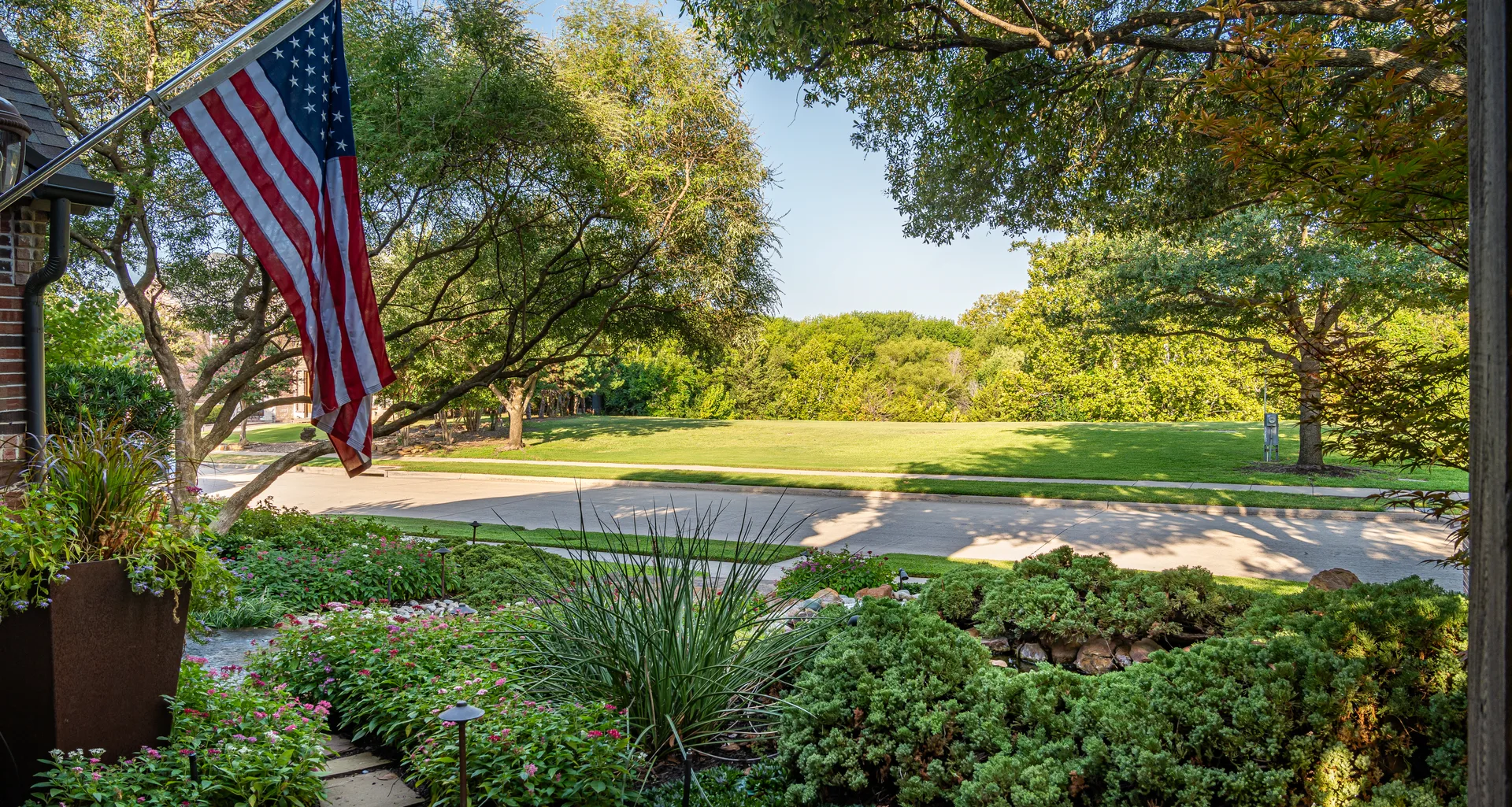
Outdoor Living Area Design and Construction in Garland, TX
Stewart Lawncare & Landscape designs and builds complete outdoor living spaces throughout Garland, TX, transforming backyards into functional extensions of indoor living areas. Our outdoor living services create custom environments including covered patios, outdoor kitchens, fire features, pergolas, seating areas, and integrated entertainment zones supporting year-round enjoyment. Each project addresses North Texas climate conditions through heat management strategies, weather protection features, and durable material selection withstanding temperature extremes and clay soil movement. We coordinate all construction elements including hardscape foundations, structural installations, utility connections, lighting integration, and landscape plantings into cohesive designs. Our process begins with understanding how you intend to use outdoor spaces, then develops layouts supporting those activities through proper sizing, strategic placement, and functional flow. Professional outdoor living construction considers drainage requirements, code compliance, material durability, and long-term maintenance needs while creating beautiful spaces that enhance property value and lifestyle quality.
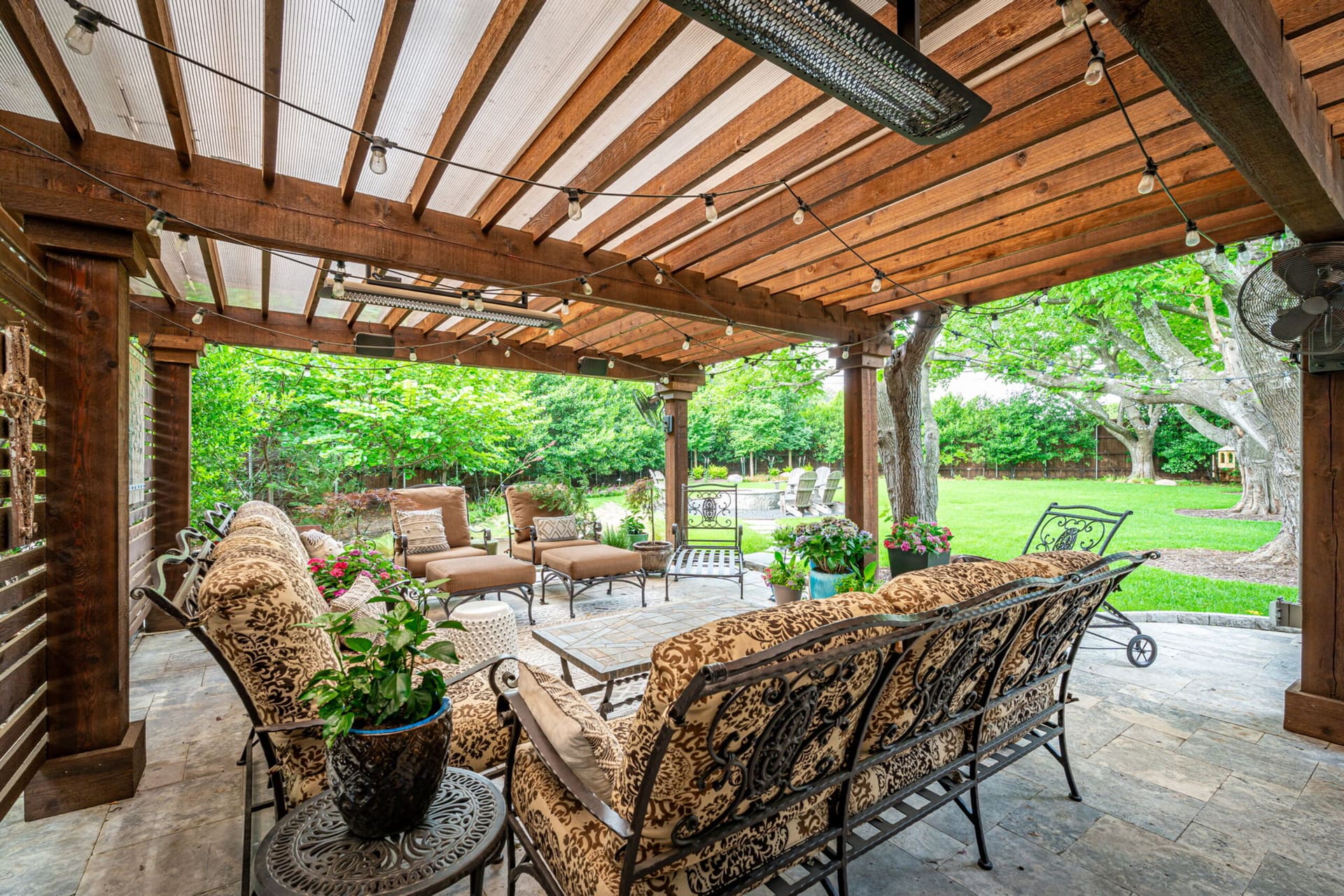
Stewart Lawncare & Landscape creates complete outdoor living environments for Garland, TX properties, including covered patios, outdoor kitchens, fire pits, pergolas, and custom seating areas. Our designs integrate hardscape, structures, utilities, and landscaping into functional spaces built for North Texas conditions. Call 972-429-1921 to schedule your outdoor living consultation and receive a comprehensive design proposal.
What Our Outdoor Living Service Includes
Our outdoor living service encompasses complete design and construction of functional outdoor spaces supporting dining, cooking, entertaining, and relaxation. Design services include site evaluation, space planning for intended activities, material selection, structural engineering coordination, and utility planning for electrical, gas, and water connections. Patio construction uses materials including flagstone, travertine, concrete pavers, or stamped concrete with proper base preparation for clay soil stability. Pergola and shade structure installation provides weather protection through wood, vinyl, or aluminum construction with optional retractable canopies or permanent roofing. Outdoor kitchen design and installation includes grill stations, refrigeration, storage, countertops, and sink facilities with proper gas line and electrical service. Fire feature construction builds wood-burning or gas fireplaces, fire pits, and fire tables creating gathering focal points. Seating area development incorporates built-in benches, seat walls, or furniture zones with appropriate sizing for entertaining goals. Lighting integration provides task illumination for cooking areas, ambient lighting for atmosphere, and safety coverage for pathways. Utility coordination manages electrical circuits, gas line installation, water supply, and drainage systems. Final landscaping softens hardscape edges and provides privacy screening or decorative plantings.
Outdoor Living Components:
- Custom patio and hardscape construction
- Pergola and shade structure installation
- Outdoor kitchen design and equipment
- Fire pit and fireplace construction
- Built-in seating and gathering areas
- Task and ambient lighting systems
- Gas line and electrical service
- Water supply and drainage integration
- Privacy screening and plantings
- Complete project management and coordination
Covered Patio and Shade Structure Design
Covered patios and shade structures extend outdoor living usability throughout Garland’s hot summers and provide weather protection during spring and fall rainfall. Pergola construction uses dimensional lumber, composite materials, or aluminum systems supporting climbing plants, retractable fabric, or solid roofing. Traditional wood pergolas offer natural aesthetics with regular maintenance requirements including staining and sealing. Composite and vinyl alternatives provide low-maintenance durability resisting rot, insects, and weather damage. Aluminum pergolas accommodate motorized louvers enabling adjustable shade and rain protection. Solid roof structures use standing seam metal, asphalt shingles, or tile matching home architecture while providing complete weather coverage. Patio covers attach to existing structures or stand independently with proper foundation support. Ceiling fan integration improves air circulation during stagnant summer conditions. Lighting installation within structures enables evening use. Structural engineering ensures wind load capacity and proper anchoring in clay soil. Material color selection affects heat absorption, with lighter shades reflecting solar radiation and darker tones absorbing warmth. These shade solutions reduce ambient temperature 10 to 20 degrees compared to uncovered areas while protecting furniture and occupants from UV exposure.
Shade Structure Options:
- Wood pergolas with natural aesthetics
- Composite materials for low maintenance
- Aluminum systems with adjustable louvers
- Solid roof patio covers for complete protection
- Attached or freestanding configurations
- Retractable fabric canopy integration
- Ceiling fan and lighting installation
- Structural engineering for stability
- Color selection for heat management
- UV protection and weather resistance
Outdoor Kitchen Design and Installation
Outdoor kitchen construction transforms patios into complete cooking and entertainment zones rivaling indoor facilities. Layout planning positions cooking equipment, prep surfaces, storage, and cleanup areas in efficient work triangles. Built-in grills range from basic drop-in units to professional-grade models with multiple burners, rotisseries, and infrared searing stations. Side burners add stovetop cooking capability for sauces, sides, or morning coffee. Refrigeration units designed for outdoor conditions maintain consistent temperatures despite heat exposure. Storage includes weatherproof cabinets for utensils, cookware, and supplies with proper drainage preventing water accumulation. Countertop materials withstand weather exposure and heat, with options including granite, concrete, tile, or specialized outdoor surfaces. Sink installations require water supply lines and drainage connections, typically using outdoor-rated fixtures. Pizza ovens and smokers expand cooking options beyond standard grilling. Bar areas with seating create social zones around food preparation. Lighting ensures adequate task illumination for evening cooking. Gas line installation provides fuel for grills, side burners, and fire features through properly sized and code-compliant piping. Electrical circuits power refrigeration, lighting, and optional appliances. These comprehensive kitchens enable complete meal preparation outdoors, supporting entertaining and daily use.
Outdoor Kitchen Elements:
- Built-in grill station installation
- Side burner and cooking surface additions
- Outdoor-rated refrigeration units
- Weatherproof cabinetry and storage
- Heat and weather-resistant countertops
- Sink with water supply and drainage
- Pizza oven and smoker options
- Bar seating and social areas
- Task lighting for cooking zones
- Gas line and electrical service coordination
Fire Feature Construction and Placement
Fire features create gathering focal points, extend outdoor season into cooler months, and provide ambiance through flickering flames. Fire pit construction uses natural stone, concrete block, or metal fire rings with proper clearances from structures and combustible materials. Wood-burning pits require adequate ventilation and spark screens protecting surrounding areas. Gas fire pits eliminate smoke and ash while providing instant ignition and flame control. Fire tables combine fire features with functional surfaces for drinks and plates. Outdoor fireplaces use stone, brick, or stucco construction creating vertical architectural elements with contained fire boxes and chimneys. Fireplace designs range from simple fire openings to elaborate structures with mantels, hearths, and built-in seating. Gas logs provide fireplace flames without wood handling. Linear burners create contemporary fire features with elongated flame patterns. Fuel selection between natural gas and propane depends on property utilities and installation logistics. Proper gas line sizing ensures adequate fuel delivery for the desired flame height and heat output. Safety considerations include combustible material clearances, child safety, and wind pattern assessment preventing smoke intrusion into living areas. Fire features are positioned strategically relative to seating, maintaining comfortable heat distance while creating visual and thermal focal points.
Fire Feature Types:
- Stone or concrete fire pit construction
- Wood-burning with spark containment
- Gas fire pits with instant ignition
- Fire tables combining function and flame
- Outdoor fireplace vertical structures
- Gas log and linear burner options
- Natural gas or propane fuel systems
- Proper clearance and safety compliance
- Strategic placement for comfort and effect
- Integration with seating arrangements
Hardscape Materials and Heat Management
Material selection for outdoor living hardscape dramatically affects comfort during Garland summers and durability through seasonal clay soil movement. Travertine pavers remain cooler underfoot than concrete or darker stone, making barefoot access comfortable during hot afternoons. Flagstone in lighter colors reflects solar radiation reducing surface temperatures. Concrete pavers offer dimensional variety with interlocking systems resisting shifting on clay soil. Stamped concrete provides cost-effective coverage with decorative patterns mimicking natural stone. Color selection significantly impacts heat absorption, with light tans and grays staying 20 to 30 degrees cooler than charcoal or black materials. Textured finishes improve wet slip resistance without creating uncomfortable rough surfaces. Base preparation addresses clay soil characteristics through proper excavation, gravel compaction, and drainage provisions. Edge restraints prevent paver spreading from soil movement. Expansion joints in large concrete areas accommodate thermal expansion and contraction. Seating wall construction uses matching or complementary materials creating visual continuity. Raised planters integrate hardscape with landscaping while defining space boundaries. Proper material selection and installation create outdoor living areas that remain comfortable, stable, and attractive through years of use and weather exposure.
Hardscape Material Considerations:
- Travertine for superior heat management
- Light-colored flagstone and pavers
- Stamped concrete cost-effective options
- Color selection for temperature control
- Textured surfaces for slip resistance
- Engineered base for clay soil stability
- Edge restraints preventing movement
- Expansion joints for large areas
- Matching seating wall construction
- Integrated planters and landscape elements
Utility Coordination and Code Compliance
Outdoor living construction requires proper utility installation and code compliance ensuring safe, functional spaces. Electrical service provides circuits for lighting, outlets, appliances, and entertainment equipment with GFCI protection required in wet locations. Circuit capacity calculations account for simultaneous equipment use preventing overloads. Gas line installation uses properly sized black iron or corrugated stainless steel tubing with approved fittings and leak testing. Gas pressure requirements vary by appliance, with proper regulator selection ensuring adequate delivery. Water supply lines serve sinks, ice makers, or irrigation connections using outdoor-rated materials and freeze protection. Drainage systems route water from sinks, ice melt, and surface runoff preventing standing water and foundation issues. Permit requirements in Garland include approvals for structures, electrical work, gas installations, and significant grading. Building codes specify structural requirements for pergolas, covered patios, and fire features. Setback regulations determine allowable construction locations relative to property lines. HOA approval may require submittal packages showing materials, colors, and design details. Professional installation coordinates all utility work, obtains necessary permits, and schedules required inspections ensuring compliant, safe outdoor living spaces.
Utility and Compliance Elements:
- Electrical circuits with GFCI protection
- Proper load calculation for equipment
- Gas line sizing and installation
- Water supply and freeze protection
- Drainage for sinks and surface water
- Building permit coordination
- Structural code compliance
- Setback and placement regulations
- HOA approval management
- Professional inspection scheduling
Integration with Existing Landscape and Architecture
Successful outdoor living spaces integrate seamlessly with existing home architecture and landscape elements rather than appearing as disconnected additions. Material selection coordinates with home exterior finishes, roofing, and trim colors creating visual harmony. Architectural style matching ensures pergolas, fireplaces, and structures complement rather than clash with home design. Transition zones between indoor and outdoor spaces use flooring materials, ceiling treatments, and color palettes to establish flow. Existing landscape features including mature trees, slopes, and plantings influence layout and design decisions. Drainage patterns receive assessment ensuring new hardscape directs water appropriately without creating problems. View preservation maintains desirable sight lines while screening undesirable views. Scale proportions match outdoor living size to property dimensions and home size avoiding overwhelming small yards or undersizing large properties. Pathway connections link outdoor living areas with home entries, pools, and other landscape features. Lighting design coordinates with existing systems maintaining consistent style and operation. Planting integration softens hardscape edges and provides seasonal interest. These thoughtful integration strategies create cohesive properties where outdoor living spaces appear as intentional extensions rather than afterthought additions.
Integration Strategies:
- Material coordination with home finishes
- Architectural style compatibility
- Indoor-outdoor transition planning
- Existing landscape feature accommodation
- Drainage pattern management
- View preservation and screening
- Proportional sizing for property scale
- Pathway and circulation connections
- Lighting system coordination
- Landscape planting integration
Outdoor Living Problems We Solve for Garland Property Owners
Garland homeowners face specific outdoor living challenges requiring professional design and construction expertise. Our services address these common problems.
Outdoor Living Problems We Solve:
- Unusable outdoor spaces during summer heat: without shade structures or cooling strategies making patios unbearable during afternoon hours
- Disconnected cooking and entertainment areas: forcing constant trips between indoor kitchens and outdoor dining spaces
- Cracking and settling hardscape: from inadequate base preparation on expansive clay soil causing uneven surfaces and trip hazards
- Lack of weather protection: limiting outdoor use to perfect weather days and leaving furniture exposed to rain and sun damage
- Inadequate lighting for evening use: preventing outdoor entertaining after sunset and creating safety hazards on pathways
- Missing gathering focal points: with outdoor areas lacking definition, seating arrangements, or features drawing people together
- Utility access challenges: attempting DIY outdoor kitchen installations without proper gas, electrical, or water service
- Code compliance failures: from unpermitted structures or installations not meeting safety and structural requirements
- Poor drainage around outdoor living areas: creating standing water on patios, saturated soil beneath structures, or erosion problems
- Uncomfortable surface temperatures: from dark concrete or stone materials becoming too hot for barefoot access during summer
FAQs About Outdoor Living in Garland, TX
How much does outdoor living construction cost in Garland?
Costs vary significantly based on project scope, materials, and features. Basic covered patio additions start at modest investments. Comprehensive outdoor living spaces with kitchens, fire features, and custom hardscape require larger budgets. Material selection dramatically affects pricing with natural stone, high-end appliances, and elaborate structures increasing costs. We provide detailed estimates after consultation showing all components, materials, and labor. Phased construction allows budget management by completing projects over time.
What outdoor living features add the most value?
Covered patios provide weather protection and extend usable space appealing to most buyers. Outdoor kitchens attract serious entertainers and add functionality. Fire features create gathering focal points with broad appeal. Quality hardscape construction enhances overall property appearance. Professional installation using durable materials adds more value than DIY projects. Features must match neighborhood character and property scale. Overall design cohesion matters more than individual elements alone.
Do outdoor living structures require permits in Garland?
Permanent structures including covered patios, pergolas, outdoor kitchens, and fireplaces typically require building permits. Electrical and gas work needs permits and inspections. Setback requirements determine allowable construction locations relative to property lines. HOA communities require architectural review approval before construction. Permit requirements protect safety and ensure code compliance. Professional contractors coordinate permit applications, inspections, and approval processes as part of construction services.
What materials work best for Garland outdoor living spaces?
Heat-resistant hardscape including travertine, light-colored flagstone, or concrete pavers provides comfortable surfaces. Weather-resistant structures use composite materials, aluminum, or properly sealed wood. Outdoor-rated appliances and fixtures withstand temperature extremes and moisture. Stainless steel cabinetry and hardware resist rust and corrosion. Material selections balance aesthetics, durability, maintenance requirements, and budget. North Texas climate demands materials tolerating heat, occasional freezes, and clay soil movement.
How long does outdoor living construction take?
Timeline depends on project complexity and weather conditions. Simple patio installations complete in one to two weeks. Comprehensive outdoor living spaces with kitchens, structures, and utilities require four to six weeks. Custom features, elaborate stonework, or large projects extend timelines. Weather delays affect outdoor construction schedules. Permit processing adds time before construction begins. Phased projects spread work over months or seasons. We provide realistic schedules during planning.
Can outdoor kitchens operate year-round in Garland?
Garland climate allows year-round outdoor cooking with occasional winter breaks during severe cold. Covered structures provide rain and sun protection. Appliances designed for outdoor use tolerate temperature variations. Gas equipment operates reliably in cold weather. Storage protects supplies and equipment during harsh conditions. Many homeowners use outdoor kitchens spring through fall, reducing winter operation. Proper winterization protects plumbing from freeze damage during rare hard freezes.
What shade options work best for Garland patios?
Pergolas with retractable fabric provide adjustable shade and rain protection. Solid roof structures offer complete weather coverage. Shade sails create contemporary coverage with architectural interest. Motorized louvers enable precise light and ventilation control. Material and color selection affects heat management with light colors reflecting solar radiation. Combination approaches use permanent structures supplemented with retractable elements. Strategic orientation relative to sun angles maximizes shade during hottest afternoon hours.
How do you prevent drainage problems around outdoor living areas?
Proper grading slopes surfaces away from structures directing water toward collection points. French drains intercept subsurface water preventing saturation beneath hardscape. Surface channels route water away from entertainment areas. Adequate bases with gravel layers allow water passage. Drainage integration prevents standing water damaging structures or creating mosquito breeding areas. Clay soil requires more extensive drainage than sandy soil. Systems coordinate during construction rather than added later.
What fire feature type is best for small yards?
Fire tables combine flames with functional surfaces maximizing space efficiency. Gas fire pits provide instant operation without wood storage requirements. Wall-mounted fireplaces use vertical space in compact yards. Portable fire bowls offer flexibility without permanent installations. Proper clearances from structures and combustibles determine feasible options. Gas fuel eliminates ash and reduces maintenance in limited spaces. Professional design optimizes placement for safety, comfort, and visual effect in smaller properties.
Can outdoor living spaces be added to existing patios?
Existing patios often expand with adjacent hardscape additions, structures, or equipment installations. Shade structures mount over current patio surfaces. Outdoor kitchens build onto existing hardscape edges. Fire features position adjacent to established areas. Material matching or complementary selection creates visual continuity. Utility access from existing connections simplifies installation. Upgrades transform basic patios into comprehensive outdoor living environments. Professional assessment identifies expansion and enhancement opportunities.
Custom Outdoor Living Spaces Built for Garland Properties
Stewart Lawncare & Landscape has designed and constructed outdoor living environments across Garland, TX since 1993, with expertise in covered patios, outdoor kitchens, fire features, and complete entertainment spaces. Our services include design, permitting, construction, and utility coordination. Call 972-429-1921 to schedule your outdoor living consultation and start planning your custom space.