
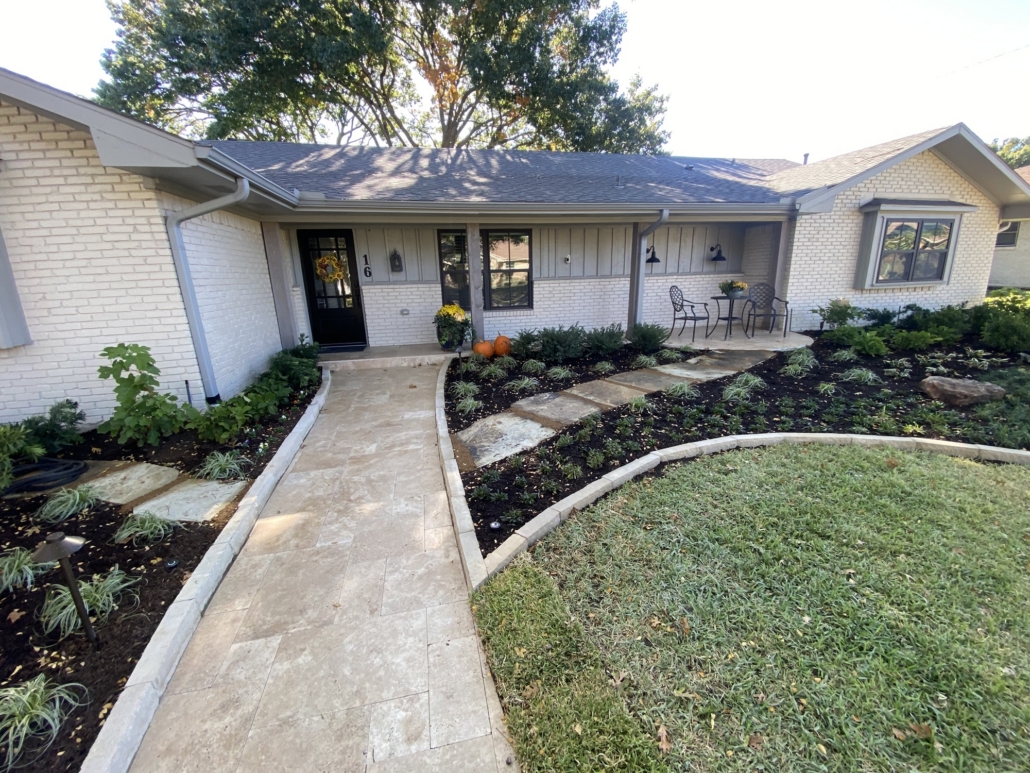
How Patio Surface Slope Protects Hardscape Installations From Water Damage In Dallas And Plano, TX
A patio should feel solid, comfortable, and easy to use in every season. Homeowners often focus on the visible parts of a hardscape project, such as the pavers, stone choice, layout, edging, and overall style. Those details matter, but one of the most important parts of a patio is something many people never notice at first. Surface slope plays a major role in how well a patio performs over time.
In Dallas and Plano, TX, water management matters on almost every outdoor project. Heavy rain can arrive fast. Clay soil can hold moisture longer than expected. Heat can dry one area while another section stays damp below the surface. A patio that does not direct water properly can start to show problems much sooner than a homeowner expects. Water may sit on the surface, move toward the house, collect at edges, soften nearby soil, or stress the base underneath the hardscape.
A proper patio surface slope helps prevent those issues. It guides water away from the patio instead of letting it linger or move in the wrong direction. That protects not just the surface itself, but the entire hardscape installation around it. In many cases, slope is the quiet detail that determines whether a patio ages well or starts showing avoidable problems after the first few heavy storms.
Why Water Damage Starts With Poor Surface Direction
Water damage on a patio does not always begin with a dramatic failure. Many times, it starts with a simple runoff that has nowhere useful to go. Rain lands on the surface and lingers too long. Water moves toward a low edge and starts collecting there. A section of the patio dries slowly and begins to show discoloration or buildup. The surface may still look fine from a distance, but the drainage pattern is already working against the installation.
A patio needs direction built into it. Water should leave the surface in a controlled way. Without that, the patio becomes a holding area instead of a shedding surface. The problem may seem minor at first, but repeated moisture can wear down the area over time. It can affect joints, edges, adjacent beds, nearby walkways, and the supporting layers underneath the patio.
This is why surface slope matters so much. It does not simply make the patio drain better. It helps the whole installation behave the way it should after rain.
Dallas And Plano Weather Make Patio Drainage More Important
North Texas weather adds extra pressure to hardscape performance. A patio in Dallas or Plano may go through long dry stretches, then sudden storms that dump a large amount of water in a short period. That pattern exposes drainage problems quickly. A patio that cannot move water off the surface fast enough often reveals weak slope planning within the first strong rain.
Clay-heavy soil makes this even more important. Water does not always soak in quickly in this region. That means runoff control matters more because lingering moisture can remain around the patio longer than it would in lighter soil types. Surface water can also move toward low points around the hardscape, which may affect adjacent lawn, planting beds, or foundation areas.
A patio built for this environment needs more than a beautiful finish. It needs a slope that responds well to local conditions. That kind of preparation helps protect the hardscape during storms and supports better long-term performance through seasonal changes.
Proper Slope Helps Keep Water Off The Patio Surface
One of the most visible benefits of a correct patio slope is that the surface dries more predictably after rainfall. Water should not sit in broad shallow puddles or collect in corners that stay wet long after the rest of the patio has dried. A surface that drains correctly feels cleaner, looks better, and becomes usable again faster.
Standing water can create several problems. It can lead to staining, residue, and surface buildup. It can make the patio more slippery than it should be. It can also highlight minor low spots that become more noticeable over time. Even when the hardscape itself stays intact, poor drying patterns can make the patio feel less refined and less comfortable to use.
A well-sloped patio helps avoid that. It keeps the surface from acting like a basin and supports a more even, controlled runoff pattern. That simple design choice improves both daily use and long-term durability.
Surface Slope Protects The Patio Base Below
The visible patio surface is only one part of the installation. Beneath it sits the base structure that supports the hardscape and helps it stay level and stable. Water that lingers too long or moves repeatedly into the wrong sections can affect the support over time.
A poor slope can direct runoff toward patio edges or weak points where water begins to soften the surrounding ground. In some cases, water may work down into the joints and slowly affect the supporting layers below. Once the base begins to lose consistency, small shifts can start to appear. Those changes may show up as minor settling, movement at edges, or uneven spots that get worse gradually.
This is why slope protects more than appearance. It helps shield the structural side of the installation from repeated water stress. A hardscape that sheds water correctly has a better chance of keeping its shape and support over the long run.
Runoff Direction Matters Around Homes And Foundations
A patio is not an isolated feature. It sits close to the house, planting beds, lawn areas, walkways, or other outdoor living elements. That means its runoff pattern affects more than the hardscape itself. Surface slope should guide water away from sensitive areas instead of pushing it toward them.
One of the biggest concerns is runoff moving toward the home. A patio with the wrong slope can send water back toward the foundation, door thresholds, or adjacent surfaces that were never meant to receive that volume of runoff. Even if water does not enter the home, repeated saturation near the structure can create bigger site problems.
A good patio slope helps direct water outward and toward areas designed to handle it. That control protects the house, nearby hardscape, and the landscape surrounding the patio. In Dallas and Plano, where stormwater can build quickly, that runoff direction matters a great deal.
Patio Edges Often Reveal Slope Problems First
A patio edge is often where water damage starts showing up. The surface may look fine in the center, while the perimeter begins to struggle. Water may collect along an outer border, wash material away near the edge, or soften the adjacent ground enough to weaken support. Once that happens, the patio may start to lose the clean, tight finish it had when first installed.
This is common because runoff naturally reaches the edges as it leaves the surface. A good slope should guide water there in a controlled way. A poor slope may dump water too aggressively into one point or leave water trapped where the patio meets another material.
Watching the edge conditions of a patio often tells the real story about how well the surface slope is working. Clean, stable edges usually point to stronger drainage planning. Eroded or unstable edges often signal that water has not been directed correctly.
Surface Slope Supports Better Performance Around Pavers And Stone
Paver patios and natural stone surfaces depend on both precision and support. These materials can perform beautifully for years, but they still rely on water control to protect their long-term appearance and stability. Surface slope helps these materials do their job without added moisture stress.
Pavers and stone can handle rain, but they should not be asked to sit in pooled water or repeatedly direct runoff into unstable surrounding soil. Water that remains too long on the surface or works repeatedly into weak areas can affect joint performance, edge stability, and the overall feel of the patio underfoot.
A well-planned slope helps pavers and stone dry more evenly and reduces the chance of water collecting where it should not. That is one of the reasons high-quality hardscape work always takes slope seriously. It is not a small technical note. It is part of what protects the finished result.
Slope Helps Adjacent Landscape Areas Stay Healthier
A patio that drains poorly often affects the nearby lawn and planting beds. Water may run off too heavily into one bed line, flood a lawn corner, or soak the soil near shrubs and decorative plantings. This creates stress for the landscape just as much as it does for the patio itself.
A proper slope gives the surrounding landscape a better chance to stay balanced. Instead of forcing too much water into one area, it supports a more controlled runoff path. That helps nearby soil stay more stable and prevents the kind of repeated saturation that can damage plants or wash out mulch.
This is especially important in custom landscapes where the patio is closely integrated with planting zones and outdoor living features. Hardscape and softscape should support each other. A good slope helps make that possible.
Patio Comfort And Safety Improve With Better Drainage
Homeowners often think about patio slope only in terms of construction quality, but it also affects comfort and safety. A surface that holds water too long can stay slick, dirty, or unpleasant to walk across. Puddling near doors or seating areas can make the space less inviting and harder to use after rain.
A patio should feel dependable. People should be able to step out onto it without wondering where water will be sitting or which area will stay damp the longest. A good slope helps maintain that confidence. It keeps the patio more usable after weather events and helps the space feel finished rather than fussy.
This kind of everyday comfort matters in Dallas and Plano, where patios often serve as key gathering areas for family time, entertaining, and outdoor living. A better-draining patio is simply easier to enjoy.
Good Hardscape Work Depends On More Than Materials
Homeowners often compare hardscape projects by materials, pattern, color, or visible craftsmanship. Those things are important, but performance depends just as much on the hidden decisions. Surface slope is one of those decisions that can determine whether a patio keeps looking great or starts showing preventable water-related issues.
A beautiful paver or stone surface does not make up for poor drainage. The best installations succeed because they manage water as carefully as they manage appearance. That means slope should be part of the planning from the start, not something guessed at during installation.
In Dallas and Plano, patios need to work with local rain patterns, clay soil, and the surrounding landscape. A good slope helps make the entire hardscape system stronger, more stable, and better prepared for long-term use.
FAQs
Why Does Patio Surface Slope Matter So Much?
Patio surface slope helps move water off the hardscape instead of letting it sit, pool, or flow toward the wrong area.
Can A Patio Look Fine But Still Have Slope Problems?
Yes. A patio may appear level to the eye but still hold water in shallow low spots or direct runoff toward edges and nearby structures.
How Does Poor Slope Affect Hardscape Longevity?
Poor slope can lead to standing water, weakened edges, soft base conditions, surface staining, and gradual movement in the patio.
Does Patio Slope Matter In Dallas And Plano, TX More Than Other Areas?
Yes. Heavy storms, clay soil, and quick weather changes in North Texas make water control especially important for hardscape performance.
Can Patio Slope Affect Nearby Planting Beds And Lawn Areas?
Yes. Runoff from a poorly sloped patio can oversaturate nearby beds, wash out mulch, and create soggy lawn sections.
Stewart Lawncare & Landscape helps homeowners protect patios and hardscape in Dallas and Plano, TX with smarter outdoor planning. Call (972) 429‑1921.

