

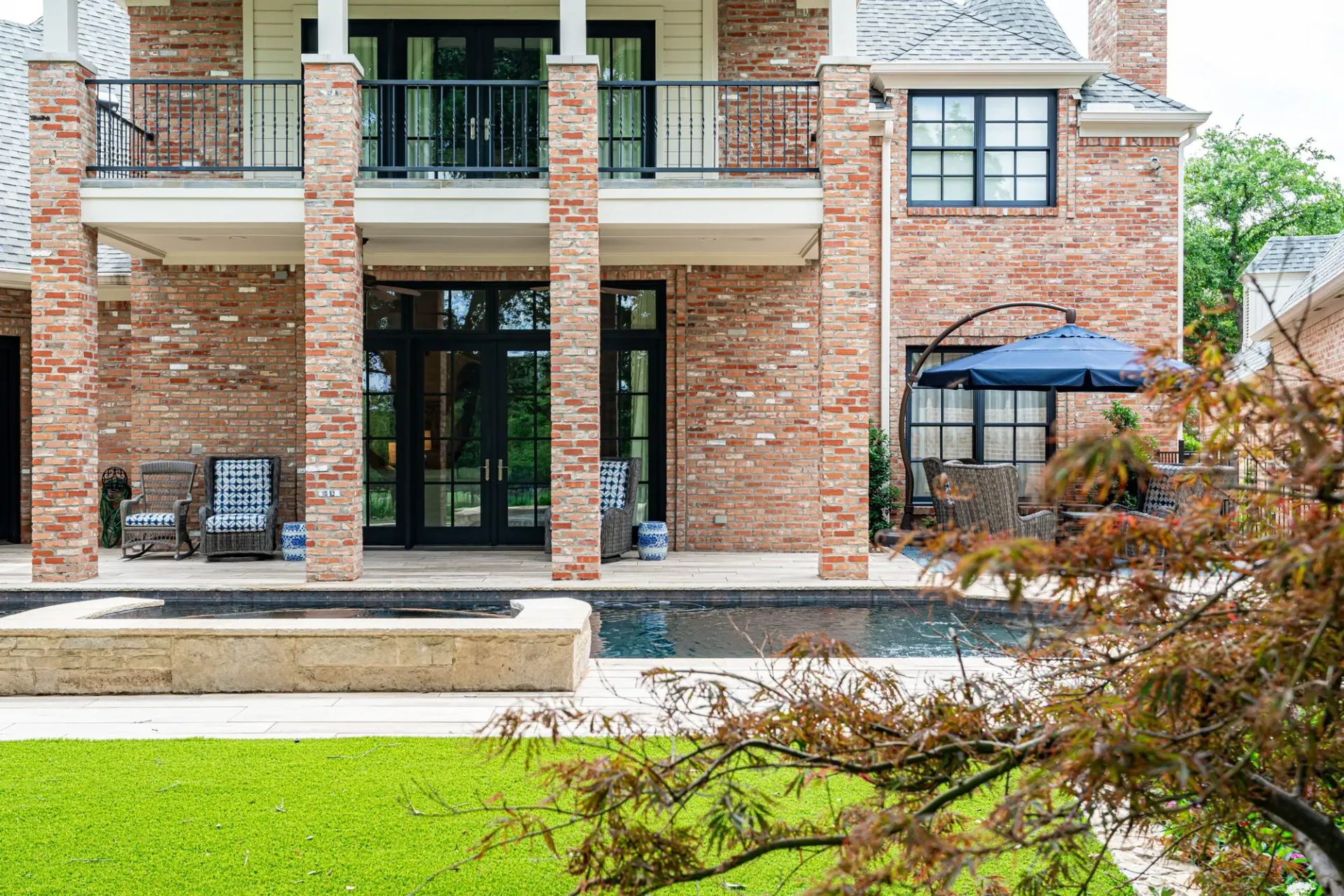
Established neighborhoods in Dallas and Highland Park have a kind of character that newer areas often cannot match. Mature trees, older homes, generous lots, and long-standing architecture give these properties a strong sense of place. At the same time, many of the original yard layouts no longer fit the way people live today. A front walk may feel too narrow. A backyard may have plenty of square footage but very little usable space. Planting beds may look overgrown instead of polished. Drainage may cause trouble after every heavy rain.
Landscape renovation helps solve those issues without stripping away the charm that makes these properties special. A thoughtful renovation improves layout, function, and appearance while respecting the age and style of the home. It gives the yard a better structure, better flow, and a clearer purpose. In Dallas and Highland Park, that often means fixing awkward circulation, correcting drainage problems, updating hardscape, reshaping bed lines, and making outdoor areas more useful for daily life. A strong renovation plan helps an older property feel refreshed, not replaced.
Why Older Yard Layouts Start To Feel Outdated
Most aging yard layouts do not become a problem overnight. The changes happen slowly. A plant bed expands a little too far each year. Shrubs outgrow their intended shape. A patio that once felt large enough starts to feel cramped. A walkway no longer fits the natural path people take through the property. The result is a yard that feels less comfortable and less cohesive, even if no single problem seems dramatic on its own.
Many older properties in Dallas and Highland Park have also gone through years of scattered updates. One owner may have added lighting. Another may have changed part of the front yard. Someone else may have replaced a patio section or installed new plants without reworking the full layout. These partial improvements often solve a short-term issue but create a disconnected result over time. A renovation helps bring the whole property back into alignment. It evaluates the entire yard instead of treating each issue as a separate fix.
Renovation Starts With How The Yard Actually Functions
A successful landscape renovation begins with a simple question: how should this yard work for the people living here now? Older layouts often reflect a different lifestyle. The yard may have been designed around a look that no longer feels relevant, or around outdoor habits that have changed. Families may want more room to gather, a clearer path between the house and backyard, better front-yard curb appeal, or a layout that feels cleaner and easier to maintain.
A renovation addresses those practical goals first. It studies how people move through the property, where they gather, where views matter most, and where the current layout creates friction. Some spaces need more openness. Some need a better definition. Some need stronger transitions between lawn, beds, patios, and walkways. This kind of planning makes the yard feel more natural and easier to use. A beautiful landscape matters, but it also needs to support the way the home functions every day.
Mature Landscapes Need Structure, Not Just Cleanup
Older neighborhoods often have one major advantage: maturity. Large trees, established hedges, and older plant material can give a property depth and presence that new landscapes take years to achieve. That maturity can also create problems when the original design no longer supports it. Plants that once fit the layout may now overwhelm it. Tree roots may affect turf or hardscape. Layered plantings may block windows, crowd pathways, or make the front of the home feel hidden.
A good renovation does not treat mature landscaping as something to remove without thought. It looks at what should stay, what should be reshaped, and what no longer serves the property. That process brings structure back into the yard. It gives trees a better supporting design around them. It opens views, improves scale, and restores balance. Cleanup alone will not solve these issues. A true renovation gives mature landscapes a stronger framework, so they feel refined instead of overgrown.
Drainage Problems Often Show Up More Clearly In Older Yards
Drainage trouble is one of the most common reasons homeowners decide to renovate an older landscape. In Dallas and Highland Park, heavy rain, clay soil, and years of subtle settling can change how water moves across a property. Water may start pooling in low areas. Lawn sections may stay soggy. Runoff may collect near patios, walkways, or the home itself. These issues make the yard harder to use and can also affect the long-term performance of hardscape and planting areas.
A renovation gives homeowners the chance to address drainage as part of the larger layout instead of treating it like an isolated repair. That matters because drainage affects everything around it. It influences where patios should go, how bed lines should be shaped, and how grading should support daily use of the property. In older neighborhoods, water control needs to work quietly in the background while preserving a clean, finished look. A good renovation improves drainage without making the yard feel engineered or overly technical.
Outdoor Living Expectations Have Changed
Outdoor living means something different now than it did twenty or thirty years ago. Many older homes in Dallas and Highland Park were not designed around the kind of backyard use people want today. A simple slab or modest patio may have worked in the past, but current homeowners often want a more comfortable and intentional outdoor environment. They want places to relax, dine, gather, and move easily between the home and yard.
Landscape renovation helps older properties catch up to those expectations. It can reshape the backyard to make better use of available space, improve how hardscape relates to the home, and create stronger connections between sitting areas, lawn, plantings, and circulation paths. This does not always mean adding more features. In many cases, it means simplifying the layout and making the space feel more purposeful. A better outdoor living plan helps the yard feel like part of the home rather than an afterthought behind it.
Renovations Improve Curb Appeal Without Feeling Overdone
Front yards in established neighborhoods play a major role in how a home presents itself. In Dallas and Highland Park, the homes often have architectural strength, but older landscape layouts can weaken that impression. Foundation plantings may feel too bulky. Walkways may look dated or undersized. Bed edges may lack a clear definition. Lawn areas may feel thin, uneven, or visually disconnected from the rest of the property.
A landscape renovation helps restore front-yard presence in a way that feels polished and appropriate for the home. It can improve the approach to the entry, reshape bed lines, update hardscape, and bring more visual order to the full frontage. The best curb appeal work does not look flashy or forced. It feels balanced. It supports the architecture instead of competing with it. That kind of refinement matters in older neighborhoods where the goal is not to chase trends but to make the property feel timeless, cared for, and well resolved.
Renovation Solves The Piecemeal Look
Many aging yards suffer from what could be called the piecemeal problem. Different updates get made at different times with no unifying plan. A homeowner may have replaced the front walk one year, updated lighting later, changed some plant material after that, and added a patio feature years later. Each decision may have made sense in the moment. Still, the final property often feels stitched together rather than fully designed.
A renovation solves that by reestablishing unity across the whole landscape. Materials start to make sense together. Bed lines feel intentional. Walkways and gathering spaces connect properly. Planting areas support the layout instead of filling random gaps. This kind of cohesion matters a great deal in higher-end properties because it affects how finished the home feels as a whole. A yard with strong unity feels calmer, more elegant, and more valuable than one made up of disconnected parts.
Better Layouts Also Make Maintenance Easier
An older yard often becomes harder to maintain because the layout itself works against the homeowner. Narrow or awkward turf strips create mowing headaches. Oversized shrubs require constant trimming. Poor bed shapes collect debris and lose definition quickly. Weak irrigation coverage makes it hard to keep the yard looking consistent. These issues add up and make the landscape feel like more work than it should.
A renovation can ease that burden without sacrificing appearance. Better spacing, stronger bed design, more efficient lawn areas, and improved access all make the property easier to care for. Updated plant selections can reduce constant pruning. More logical transitions between hardscape and planting zones help the yard stay cleaner and more organized. Good maintenance starts with good layout. A renovated landscape should not just look better after installation. It should also stay attractive with less strain over time.
Renovation Protects Long-Term Property Value
Landscape quality has a real effect on how a home feels and how it performs in the long run. In established neighborhoods like Highland Park and many areas of Dallas, the yard is a major part of the property experience. A dated or poorly functioning landscape can make an otherwise beautiful home feel neglected or incomplete. On the other hand, a well-renovated yard adds polish, function, and a stronger sense of care.
This matters whether a homeowner plans to stay for years or simply wants the home to reflect its full potential. Renovation improves first impressions, strengthens usability, and helps protect hardscape, lawn, and planting investments from problems tied to poor layout or weak drainage. It also gives the home a more current feel without forcing it away from its original character. That balance between timelessness and function is one of the biggest reasons landscape renovation makes sense in older, high-value neighborhoods.
Good Renovation Respects What Makes The Property Unique
No two established properties are exactly alike. Some homes need better front-yard structures. Others need major backyard rethinking. Some lots struggle with drainage and grade change. Others need more useful outdoor living space or a better relationship between mature trees and the rest of the landscape. A strong renovation plan should respond to those specific conditions instead of applying the same formula to every property.
That is especially important in Dallas and Highland Park, where homes often have distinct architecture, lot shapes, and long-established character. A good renovation should feel tailored to the property. It should make the yard work better without making it feel generic. The best results come from respecting what is already valuable, correcting what no longer works, and giving the home a landscape that feels more complete, more functional, and more in step with the way people live now.
FAQs
What Is A Landscape Renovation?
A landscape renovation updates and improves an existing yard layout. It can include drainage fixes, hardscape updates, planting changes, lighting, and better use of space.
How Do I Know If My Yard Needs Renovation Instead Of Simple Maintenance?
A yard may need renovation when the layout feels outdated, drainage issues keep returning, outdoor areas feel underused, or mature plants have outgrown the design.
Can Landscape Renovation Keep The Character Of An Older Dallas Or Highland Park Home?
Yes. A good renovation improves function and appearance while respecting the style, age, and overall feel of the property.
What Problems Can A Renovation Fix In An Older Yard?
It can fix awkward layout flow, worn hardscape, drainage trouble, overgrown plantings, outdated bed lines, and outdoor spaces that no longer fit current needs.
Is Landscape Renovation Only For Backyards?
No. Renovation can improve front yards, side yards, courtyards, backyards, and the connections between them.
Stewart Lawncare & Landscape helps homeowners refresh aging outdoor spaces in Dallas and Highland Park, TX. Call (972) 429‑1921 to discuss your landscape renovation goals.