

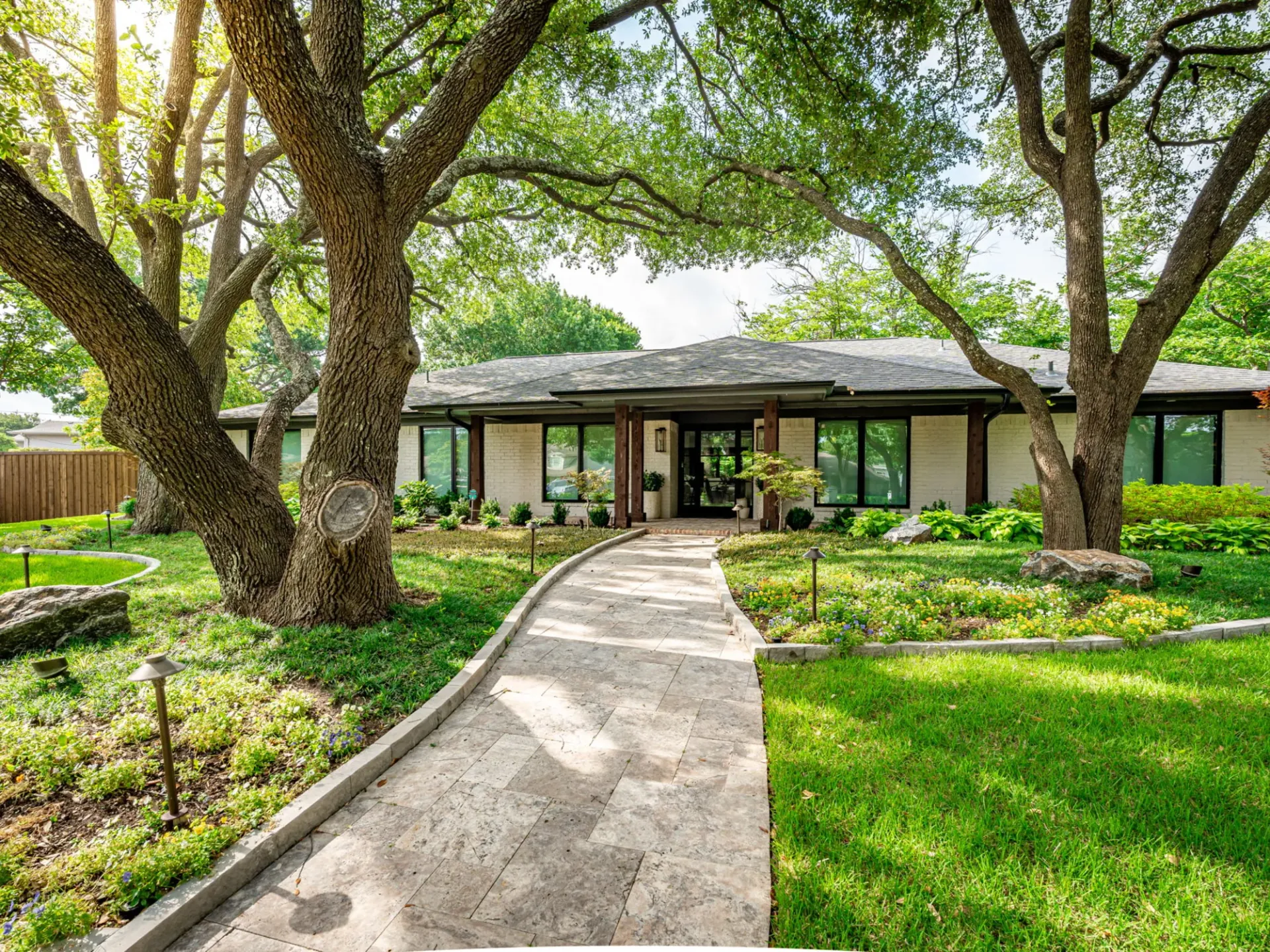
A beautiful landscape starts long before the first plant goes into the ground or the first stone gets set in place. The condition of the soil underneath everything plays a major role in how well the finished project performs. In Dallas and Preston Hollow, TX, soil preparation matters even more because local properties often deal with dense clay, drainage issues, uneven compaction, and years of disturbance from past construction or older landscape changes. A yard may look ready for new work on the surface, but the ground below may tell a very different story.
Many homeowners focus on visible features such as plant selection, patios, lighting, turf, and outdoor living areas. Those choices matter, but none of them perform the way they should without proper preparation below grade. Soil affects root growth, surface stability, drainage, water retention, and the long-term success of both softscape and hardscape. A rushed installation can hide soil problems for a short time, but those issues usually show up later as settling, poor drainage, unhealthy plants, shifting surfaces, or landscape sections that never quite establish correctly.
A strong landscape installation in Dallas and Preston Hollow starts with a close look at the site itself. Soil preparation is not filler work or a minor early phase. It is one of the most important parts of the entire project.
Why Soil Preparation Matters More Than Most Homeowners Realize
Soil preparation sets the foundation for everything that follows. Plants need a healthy rooting environment. Hardscape needs a stable base. Drainage needs the right grading and movement through the site. Irrigation needs soil that can absorb water correctly instead of shedding it too fast or holding too much of it in one place.
In many North Texas yards, the ground has already been through years of stress. Builders may have compacted it heavily during construction. Old landscape layers may have left behind poor fill material, buried debris, or uneven soil conditions. Tree roots may have altered surface grade. Water may have carved subtle low areas over time. These conditions can create problems even in yards that look fine at a glance.
Good soil preparation gives the new landscape a better chance to perform well from the beginning. It helps prevent future frustration and gives homeowners a more stable, healthier outdoor space.
Dallas And Preston Hollow Soil Conditions Require A Smarter Approach
Dallas and Preston Hollow properties often sit on clay-heavy soil. That kind of soil expands when wet and contracts when dry. It also tends to drain slowly compared to looser soil types. Those traits can create trouble for both plants and built features.
Clay soil is not automatically bad, but it does require careful handling. A landscape installer cannot simply place new materials on top of poorly prepared clay and expect lasting results. Water movement, compaction, grade correction, and root-zone improvement all need attention.
Older Preston Hollow properties may also have mature trees, older drainage patterns, and decades of site changes that affect how the ground behaves. Some lots have hidden low areas. Some have compacted sections near driveways or former construction zones. Some have soil that varies dramatically from one part of the yard to another. A thoughtful preparation process accounts for those differences instead of treating the entire yard like one uniform surface.
Surface Appearance Does Not Reveal What The Soil Is Doing
One of the biggest mistakes homeowners make is assuming that a level-looking yard is ready for installation. Soil problems often sit below the surface. A lawn may look flat but still have poor compaction, drainage trouble, buried construction material, or weak support for future hardscape.
This is why site preparation matters so much. A contractor needs to understand what the soil is doing, not just what the yard looks like. A planting bed may need loosening and amending. A patio area may need excavation, grading, and a stronger base. A drainage zone may need reshaping so water does not collect or move toward the home.
The better the prep work, the less likely the finished landscape is to struggle later. Surface beauty means very little if the soil underneath cannot support the design.
Soil Preparation Affects Plant Health Right Away
Plants respond quickly to poor soil conditions. Roots need room to grow. They need oxygen, consistent moisture, and a soil structure that supports healthy development. Compacted ground can limit root spread and make it harder for water to move evenly through the root zone. Poor soil can also lead to stress that shows up as weak growth, yellowing, or plants that never fully establish.
This matters in Dallas and Preston Hollow because weather patterns can swing hard between heat, dryness, and periods of intense rain. Plants already face seasonal stress. Weak soil preparation makes that stress worse.
A well-prepared planting area gives shrubs, trees, turf, and ornamental plants a much stronger start. It helps roots move outward, supports more balanced moisture levels, and reduces the risk of early decline. Homeowners often notice the visual side of plant health first, but the real story starts in the soil.
Hardscape Performance Depends On What Happens Below Grade
Soil preparation is not only about plants. It also plays a major role in patios, walkways, retaining elements, turf areas, and any other surface feature built into the yard. Hardscape needs reliable support underneath it. Without proper excavation, grading, and base preparation, surfaces can shift, settle, or crack over time.
In clay-heavy Dallas soil, this becomes even more important. Soil movement can place extra stress on paved areas and transitions. A patio that looks perfect on installation day may start showing problems later if the subgrade was not addressed correctly.
Proper preparation helps create a more stable base and better water management around the hardscape. It also helps protect nearby planting areas and supports smoother transitions across the landscape. A finished surface is only as strong as what sits under it.
Drainage And Soil Preparation Go Hand In Hand
Many landscape problems that appear to be drainage problems are actually soil preparation problems as well. Water movement depends on grade, compaction, absorption, and the way different soil conditions interact with each other. Poorly prepared areas may hold water too long or shed it too aggressively.
A good preparation plan looks at how the ground handles water before the full installation begins. It may involve reshaping grade, loosening compacted areas, improving the soil profile in planting zones, or preparing sections of the property to work with drainage solutions already planned for the design.
This is especially important in Dallas and Preston Hollow, where storms can move a lot of water in a short time. Soil that is not ready for that kind of weather can create recurring issues with pooling, erosion, or unstable surfaces.
Old Landscapes Often Leave Behind Compaction And Soil Imbalance
Older properties come with their own preparation challenges. A yard that has seen multiple rounds of work over the years may contain compacted zones, mismatched fill, leftover roots, old edging, buried stone, or patchwork soil conditions that make new installation harder.
A homeowner may not know any of that is present until the renovation begins. That is why experienced site evaluation matters. It helps uncover what the new installation will be built on and what needs correction first.
In Preston Hollow especially, large mature lots may have areas that perform very differently across the same property. The front yard may drain one way, the side yard another, and the backyard may have old settled zones from years of past changes. Preparation helps create consistency where the site currently lacks it.
Soil Preparation Supports Better Irrigation Results
Even the best irrigation system cannot fully compensate for poor soil preparation. Watering performance depends on how the ground receives and distributes moisture. Soil that is too compacted can cause runoff. Soil that holds moisture unevenly can leave one area too wet and another too dry.
That means proper soil work improves irrigation performance from the start. It gives the system a better chance to do its job well and helps support more even landscape growth over time. In a high-end landscape, that consistency matters. Homeowners want lawns, beds, and focal plantings to perform reliably and look well cared for.
Good soil preparation also helps reduce the cycle of constant adjustment and correction that often follows a rushed installation.
Proper Preparation Helps The Finished Landscape Age Better
A landscape should not just look good right after installation. It should continue to perform well as seasons pass and the property matures. Soil preparation helps make that possible. It supports stronger root establishment, more stable hardscape, better water behavior, and fewer failures tied to weak groundwork.
This is one of the biggest differences between a short-term result and a lasting one. A rushed installation may photograph well at first, but deeper issues often show up later. A well-prepared site gives the entire project a stronger future.
Homeowners in Dallas and Preston Hollow often invest in landscapes because they want the property to feel finished, refined, and easier to enjoy. Soil preparation helps protect that investment by making the design more durable from the start.
Good Preparation Is A Sign Of A Better Installation Process
Soil preparation also says a lot about the quality of the contractor’s process. A company that takes preparation seriously usually takes the rest of the project seriously as well. This stage requires patience, close observation, and a willingness to solve issues before moving forward.
That kind of discipline often leads to better outcomes across the board. The layout works better. The materials perform better. The plants establish better. The yard feels more stable and complete.
Homeowners may never see most of the work that happens below grade once the project is finished. Still, that hidden work often determines whether the final landscape simply looks good for a short time or performs well for years.
FAQs
What Is Soil Preparation In Landscape Installation?
Soil preparation includes evaluating, correcting, and improving the ground before plants, turf, patios, or other landscape features are installed.
Why Is Soil Preparation Important In Dallas And Preston Hollow, TX?
Clay-heavy soil, drainage issues, and site compaction are common in this area. Good preparation helps support plant health and surface stability.
Can Poor Soil Preparation Cause Drainage Problems?
Yes. Poor compaction, weak grading, and uncorrected soil conditions can lead to pooling, runoff, and uneven water movement across the yard.
Does Soil Preparation Matter For Patios And Hardscape Too?
Yes. Patios, walkways, and other built features need stable support below grade, and that starts with proper soil and base preparation.
How Do Homeowners Know A Yard Needs More Preparation Before Installation?
Signs include drainage trouble, settling, compacted ground, weak plant performance, uneven surfaces, or a history of recurring water issues.
Stewart Lawncare & Landscape helps homeowners build better landscapes from the ground up in Dallas and Preston Hollow, TX. Call (972) 429‑1921.